
When was the last time you took a deep breath and a moment to really observe the world around you—the things you can see, hear, smell, taste, and feel? It seems like a simple question, but it’s becoming increasingly common for us to filter out the world around us.
Whether it’s the products we’re building ourselves or the apps we’re retreating into during our moments of downtime, technology can make us disconnect. And this negatively impacts our creativity, our performance, and our relationships. But Pippa Topp shared a few ideas on how to foster connection and stay human during her Product at Heart keynote.
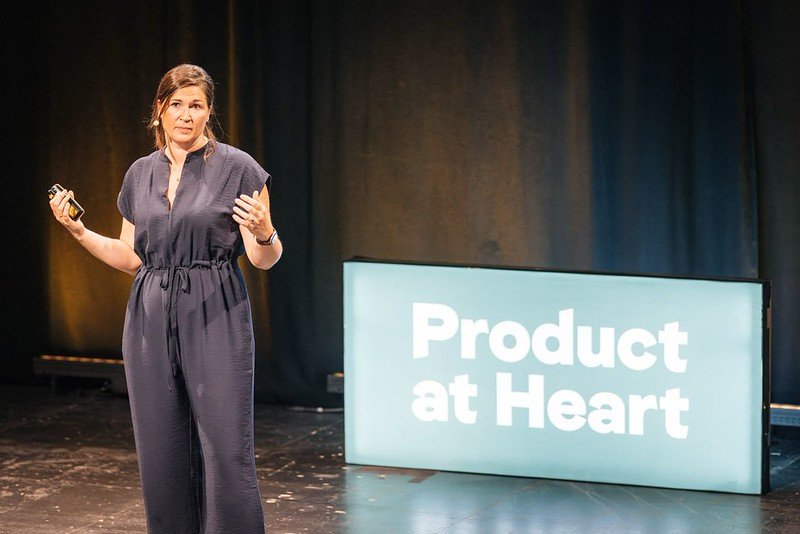
Along with Surbhi Marwah and Thomas Brouwer, Pippa was one of the speakers who explored the topic of what stays the same for product people despite all the AI advancements. And what Pippa landed on was our humanity: our ability to take in the world around us and connect with each other.
Watch Pippa’s full keynote or find a few highlights below.
Here’s a simple exercise to try. Take a deep breath in and out. Scan the room you’re in and observe five things you can see. Make sure you look beyond the computer or cell phone screen you’re reading this on! Now name four things you can hear. Now three things you can feel. Two things you can smell. One thing you can taste. And if you need to take a moment to grab a mint, we’ll still be here when you get back.
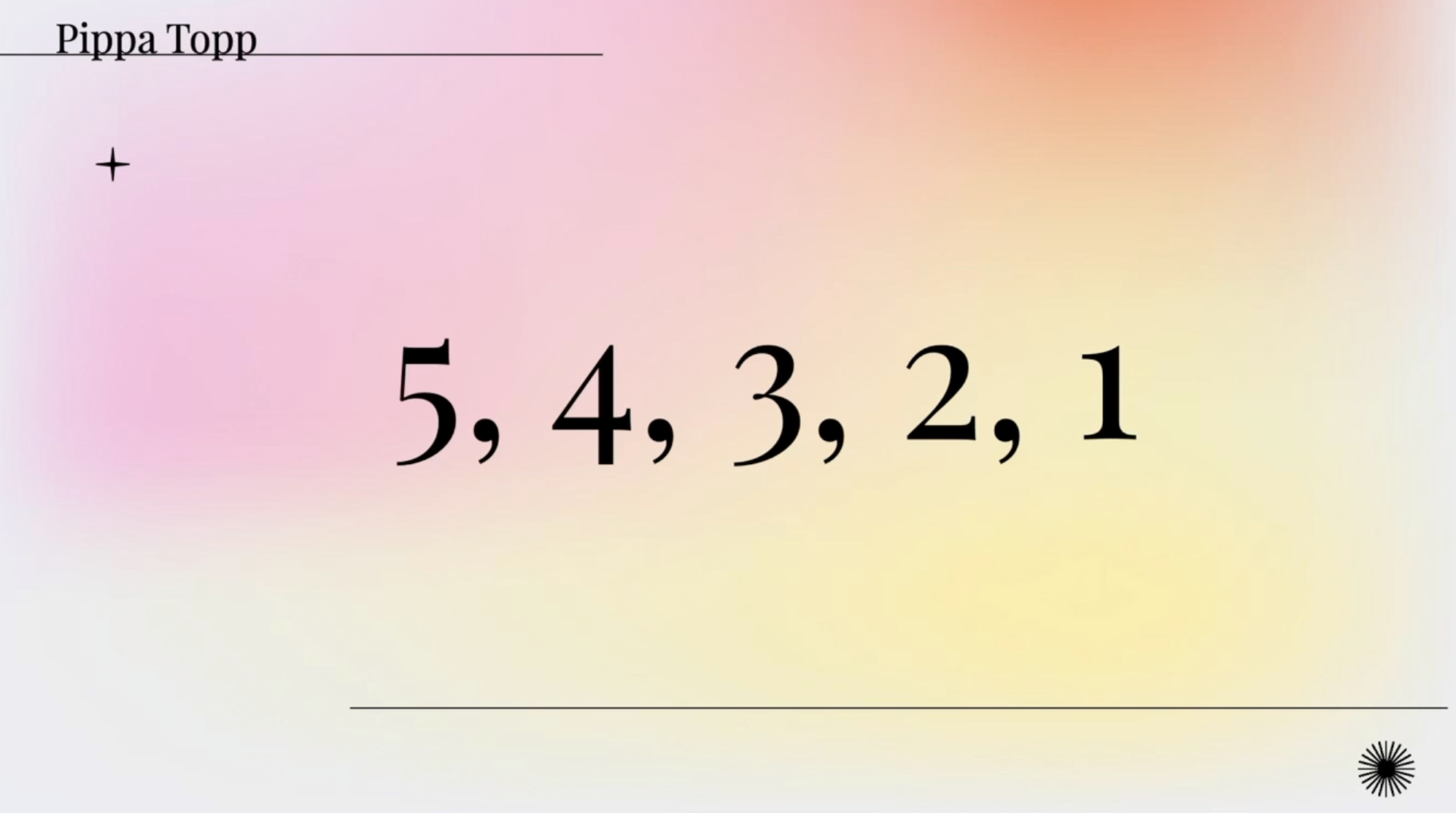
Pippa opened her keynote with this simple mindfulness exercise to ground us in the present, regulate our nervous system, and remind us of what makes us human (coffee breath and all!).
Noticing the drift
Going through the mindfulness exercise is also a wakeup call. How often are you truly engaged with the world around you?
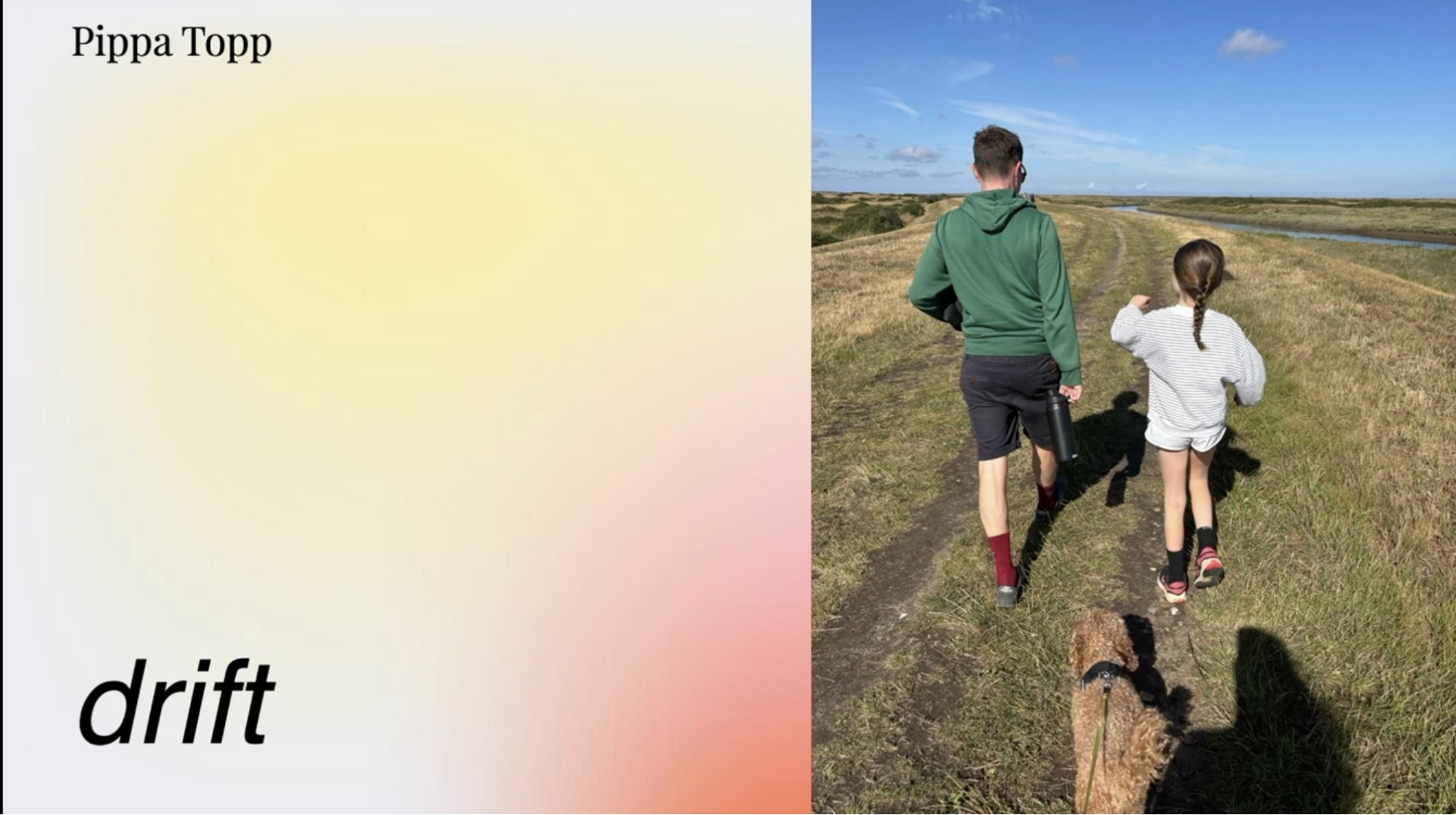
In Pippa’s case, towards the end of 2024, she began to notice that she was drifting. She was spending more time scrolling on Instagram, putting her airpods in whenever she walked her dog, and picking up her phone without even knowing why she was doing it.
“The people and things I loved felt just slightly out of reach,” said Pippa. “I felt like I was becoming more isolated, I noticed that my anxiety went up, and I was becoming more and more addicted to the technology that was pulling me away.”
Choosing to prioritize connection
At the beginning of 2025, Pippa made a conscious decision to prioritize connection. She took a few specific steps, including deleting Instagram (“It’s a big deal!” Pippa assured us), listening to the birds and leaves instead of putting in her airpods while walking her dog, and putting her phone away when her daughter came home from school.
And it wasn’t just these small habits—Pippa also used the word “connection” as a compass. She started making connections to things she’d never connected before and thinking more laterally about things because she was getting stimuli from lots of different places.
One of these connections that’s especially relevant for product people came from a theater outing. In a West End performance of Much Ado About Nothing, Tom Hiddleston blew Pippa away by pronouncing the word “discover” in a way Pippa had never heard before.
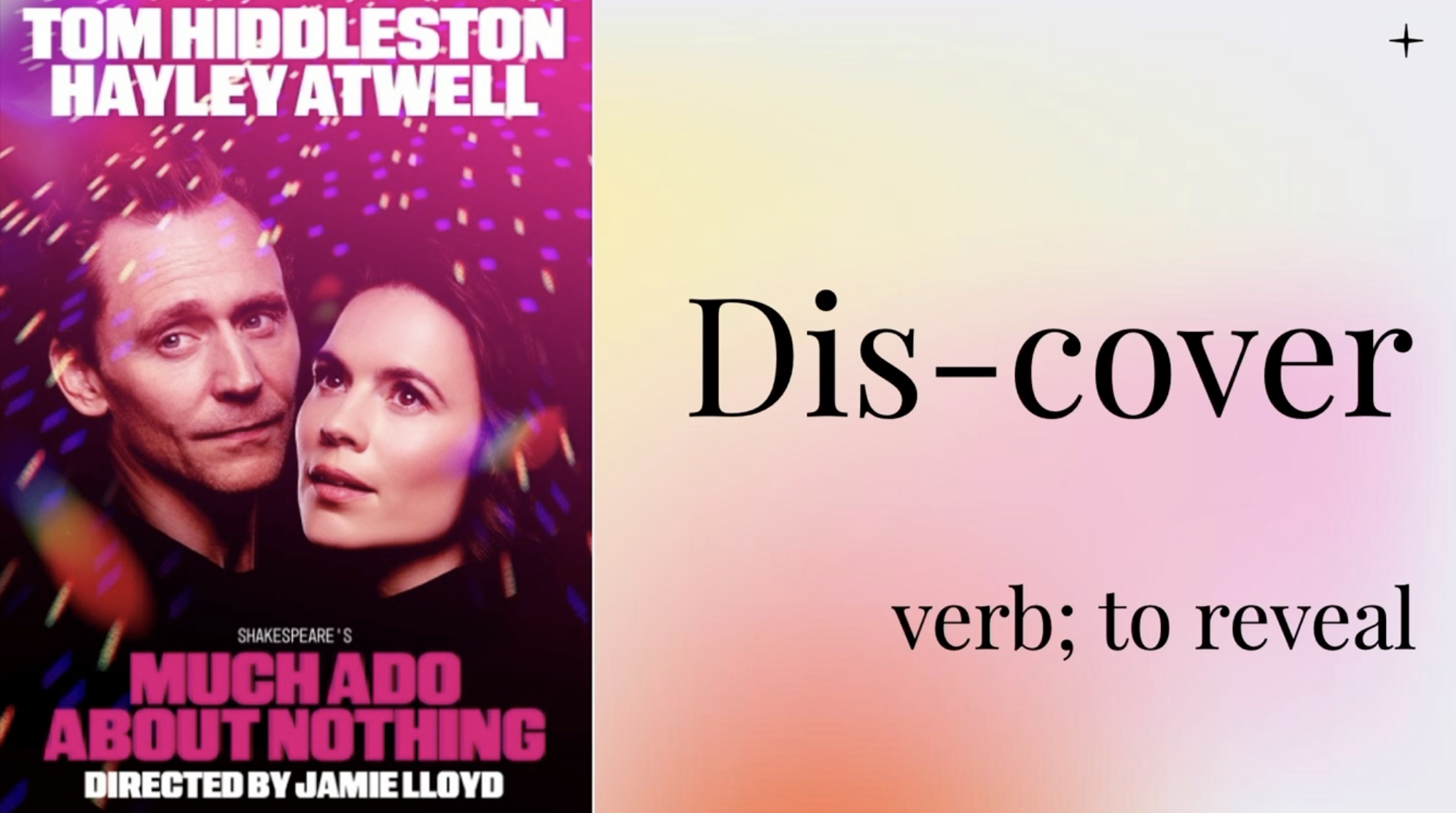
By emphasizing the first syllable, to “DIS-cover,” Tom unlocked a whole new perspective for Pippa. “Framing it as this verb, to reveal, rather than to explore, put me in the frame of mind of an archaeologist, digging away. It was always there—we just needed to reveal it,” said Pippa.
There’s a lesson in here for product people, too. If you’ve been thinking of discovery as something separate from your work, reframing it as uncovering a truth that already exists might make it feel more integrated.
The power of connection
Pippa’s not the only one who’s observed how connection impacts lived experience.
Psychologist Bruce Alexander conducted a series of experiments with rats. When the rats could only choose between normal water and morphine water, they would simply drink themselves to death with the morphine water. But when he built a “rat park” where the rats had free access to morphine water along with tunnels, food, and other rats, they wouldn’t choose the morphine water. “Connection overcame vulnerability,” explained Pippa.
Reflecting on her own experience, Pippa said, “When I was talking about drift at the beginning, what I was becoming addicted to was technology.”
At this point, Pippa acknowledged a hard truth: “There’s an irony that I’m in a room full of people building the same thing that is going to disconnect us. But it doesn’t all have to be bad, because we are not in cages. We have a choice to connect.”
And while it can take work to overcome that isolation and inclination to retreat into technology, the rewards of doing so are clear. Connection enhances our executive functioning, our cognitive reasoning, our creativity, and our ability to learn.
So in the environment we currently find ourselves in, where change is coming at us and technology is constantly distracting us, leaning into connection with the world and people around us is actually what’s going to help us perform our best.
An invitation for you
Pippa shared some of the ways she’s leaned into connection—going to the theater, spending more time in nature, and yes, deleting Instagram. But what if none of those things appeal to you?
If you’re looking to build more connection but you don’t know what to do about it, how do you figure it out?
Pippa recommends thinking back to when you were a kid. What was something you loved to do? What was something you could completely immerse yourself in?
In Pippa’s case, she loved dancing, being out in nature, swimming, and daydreaming. Now, Pippa’s a realist. “I can’t fit all these things into my life all the time—I have a full-time job, a child, a dog, and a husband,” she explained. “But what I can do is get up 20 minutes earlier and stare out the window with a cup of coffee and daydream. I can not plug my airpods in. I do get up early on a Sunday to go and swim in a lake. And I definitely dance in my kitchen. These aren’t massive things, but they help connect me back to myself, with others, and to nature.”
Remember: We perform best when we are at our best.
What’s one small thing you can do to choose connection, to choose creativity, and to stay human?