
Product at Heart 2026: Key Learnings & Takeaways
We’re still cooling down after wrapping up the hottest product conference on the planet. It wasn’t just the speakers who brought the fire this year—Hamburg was experiencing soaring temperatures that led some of our crew to refer to this year’s event as “Product at Heat.” But all jokes aside, we’re still buzzing with the energy from the 2026 edition of Product at Heart.
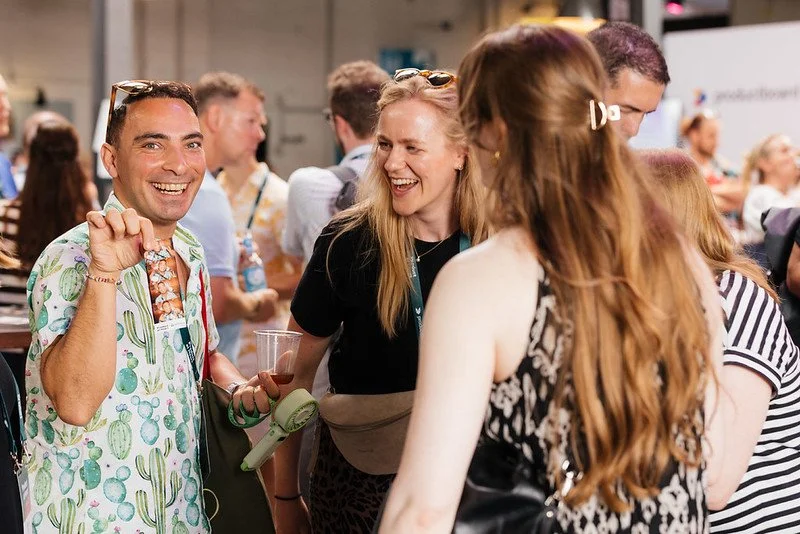
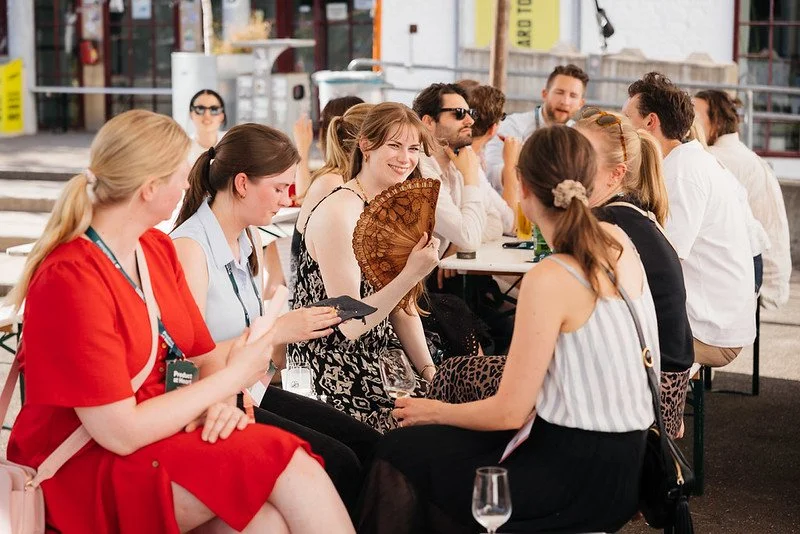
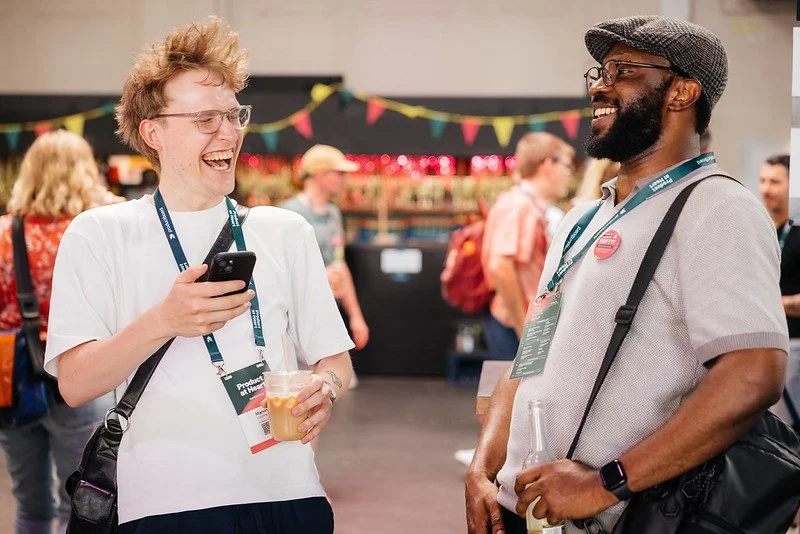
For the fourth year in a row, we were thrilled to return to our home in Kampanagel on June 26, 2026. Over 650 curious product people from across the world gathered to join keynote presentations, themed sessions, breakout groups of what we called “Hard Problem Clubs,” and of course, all those magical meetings and conversations that spontaneously happen whenever you bring together open-minded people who are passionate about what they do.
In the coming weeks, we’ll be releasing videos and detailed blog recaps of the sessions, but for now, here are a few highlights and takeaways.
It’s time to turn and face the strange
The opening notes of the conference—David Bowie’s “Changes” played by saxophone ensemble LaSaxa—set the tone for the day, both literally and figuratively.
Every year conference co-organizers Arne Kittler and Petra Wille choose a guiding theme for the event: curiosity in 2023, courage in 2024, and curation in 2025. The theme for 2026? Change.
This is not the first time our industry has gone through significant change—Arne reminded us of past waves like agile, user-generated content, and mobile that were disruptive and required product people and their teams to make changes.
But now the change is hitting differently. While former changes happened one dimension at a time, the changes we’re facing today—largely driven by AI—are impacting everything simultaneously: how we work, what we build, how we interact with our colleagues and customers. And the speed of change is coming at a dizzying pace.
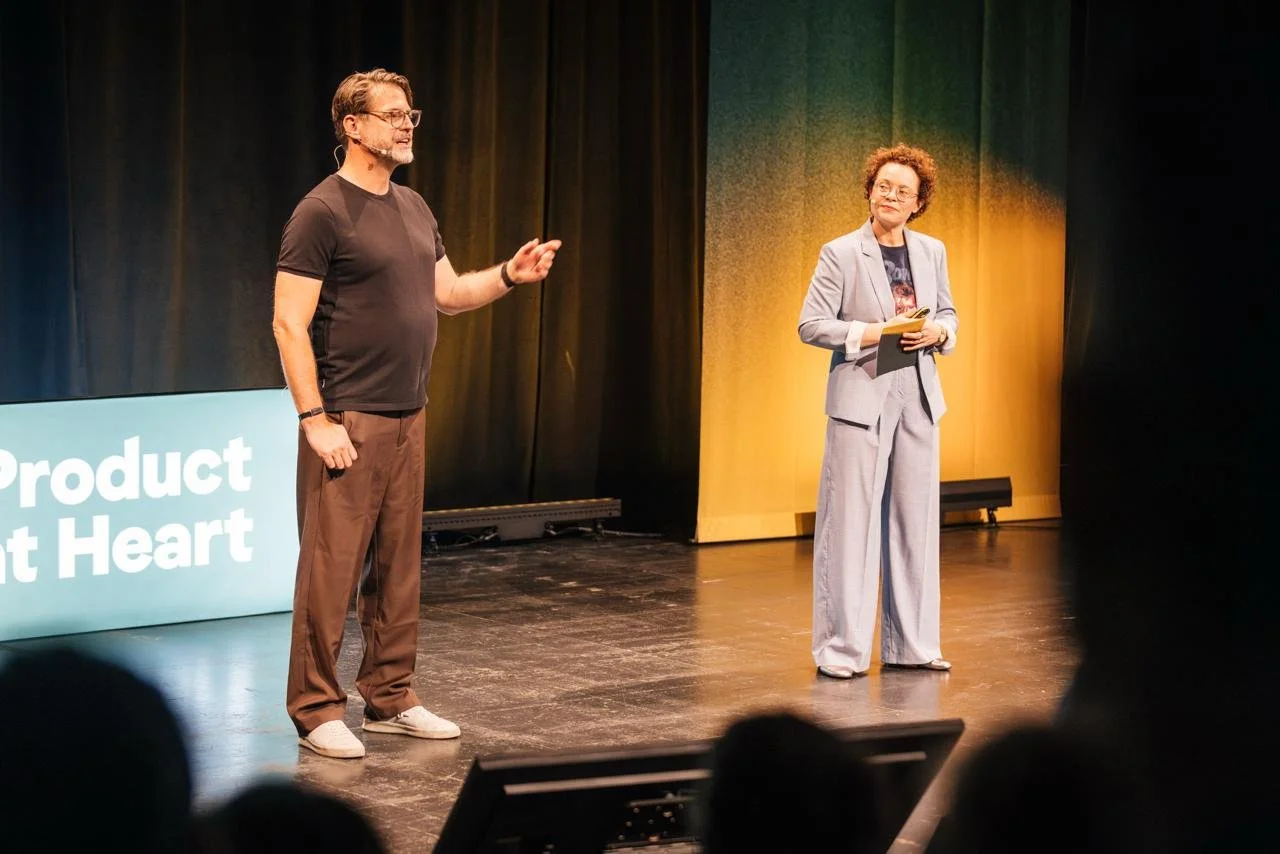
All this change requires us to ask ourselves a big question: How much and how fast am I personally able and willing to change?
Arne and Petra also highlighted one of the lines from David Bowie’s “Changes,” as a call to action: Turn and face the strange. In other words, let’s not shy away from the changes. Let’s find a way to face them head on, even when they make us uneasy. We don’t always have to accept the loud, dominant narratives about these changes, either. And, in fact, part of our responsibility to “face the strange” means going deeper and examining why certain stories get more airtime than others. Sure, headlines like “AI will make all workers obsolete” grab our attention (because they prey on our insecurities and fears), but there’s much more subtlety and nuance to explore.
To that end, Petra urged us to go look for beauty and stories where technology made someone’s life better. And don’t stop there: Share those stories as broadly and frequently as you can. “The dystopian narratives travel fast because fear spreads easily,” said Petra. “The bright ones need a push. Give them one.”
Remind yourself why you fell in love with product
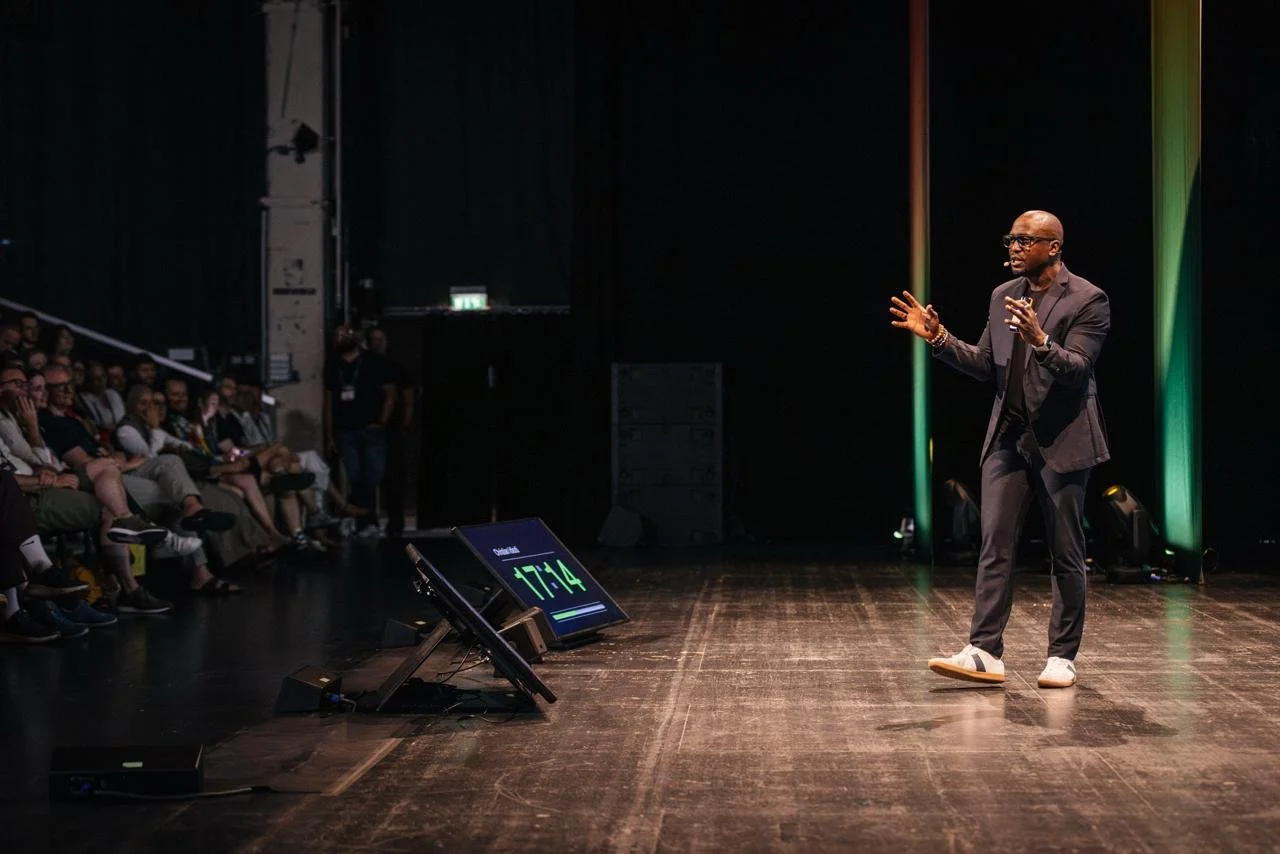
In the opening keynote, Christian Idiodi painted a picture of a frazzled PM who’s running from one meeting to another, overwhelmed by constant notifications and requests, and who sees all the new AI capabilities as a way of moving faster. But, he warned, just because you can build something in a fraction of the time it once took, that doesn’t mean you should.
Christian highlighted the fact that, when done well, product is all about creating with strategy. It requires framing your problems well and understanding the impact of your work on both your customers and your business. But if you don’t have the strategy and you try to shortcut the creation, you’re at risk of simply creating more noise or, in the worst cases, garbage.
To avoid this outcome, Christian invited us to return to the essence of good product: Make time for creation, align your work with strategy, and recognize that AI tools are an amplifier but not a replacement. And if you ever get stuck, try to return to the moments where you felt joy or had fun, because those tend to be the times when you’re closest to being a creator.
Joyously wander into the unknown
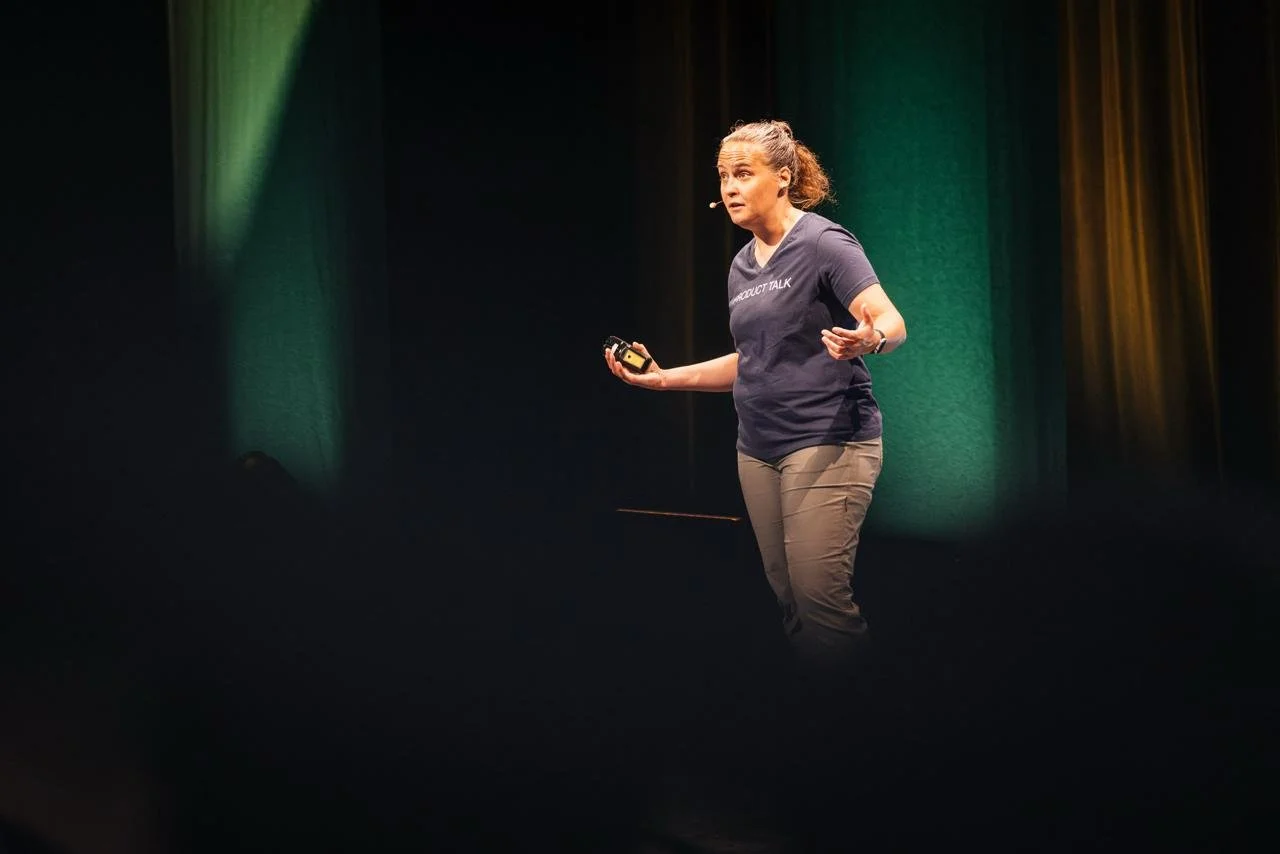
Teresa Torres has spent the past 15 months on a transformation journey. It all began with an injury that forced her to take a break from her everyday routine. With limited physical mobility and a whole lot of time on her hands, she decided to dip her toes into AI.
She began as a total novice, treating ChatGPT like Google. But over time, her relationship with AI evolved and she now sees Claude Code (her tool of choice) as her personal operating system and 24/7 tutor that will teach her anything she wants to know. Oh, and by the way, she’s now an engineer building AI products that have been released to real, live customers.
As Teresa reflected on her experience, she realized that it follows the Hero’s Journey. If you’re not familiar with this storytelling framework that was popularized by Joseph Campbell, it involves steps like:
The protagonist lives in the ordinary world
They receive a call to adventure
They refuse this call
A mentor appears to help the protagonist
They cross the threshold into the new world
They face a lot of challenges and temptations along the way
Teresa emphasized that this journey is not complete for her, and many of us probably find ourselves somewhere in the early stages. The call to adventure is there. And it may be tempting to ignore it and remain in the familiarity of our “ordinary” world. But, defining adventure as “joyously wandering into the unknown,” Teresa invited us to at least take those first steps and dip our toes in. These small changes have the power to transform our lives over time.
Accept what’s already changed
We’ve acknowledged that change is inevitable, but we know this topic demands a lot more examination. In the first set of themed talks, the speakers took a closer look at what has already changed and how that’s impacting our work.
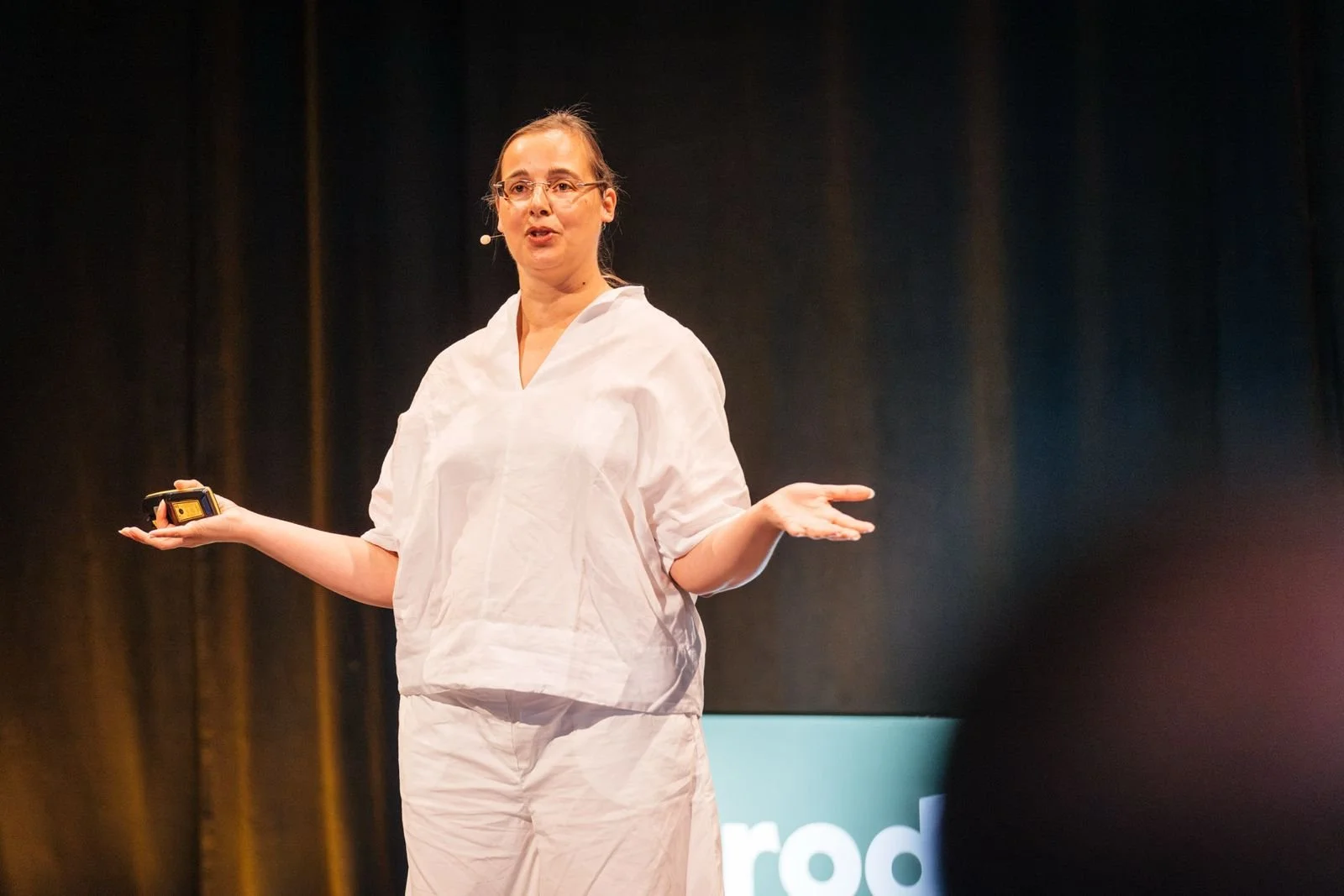
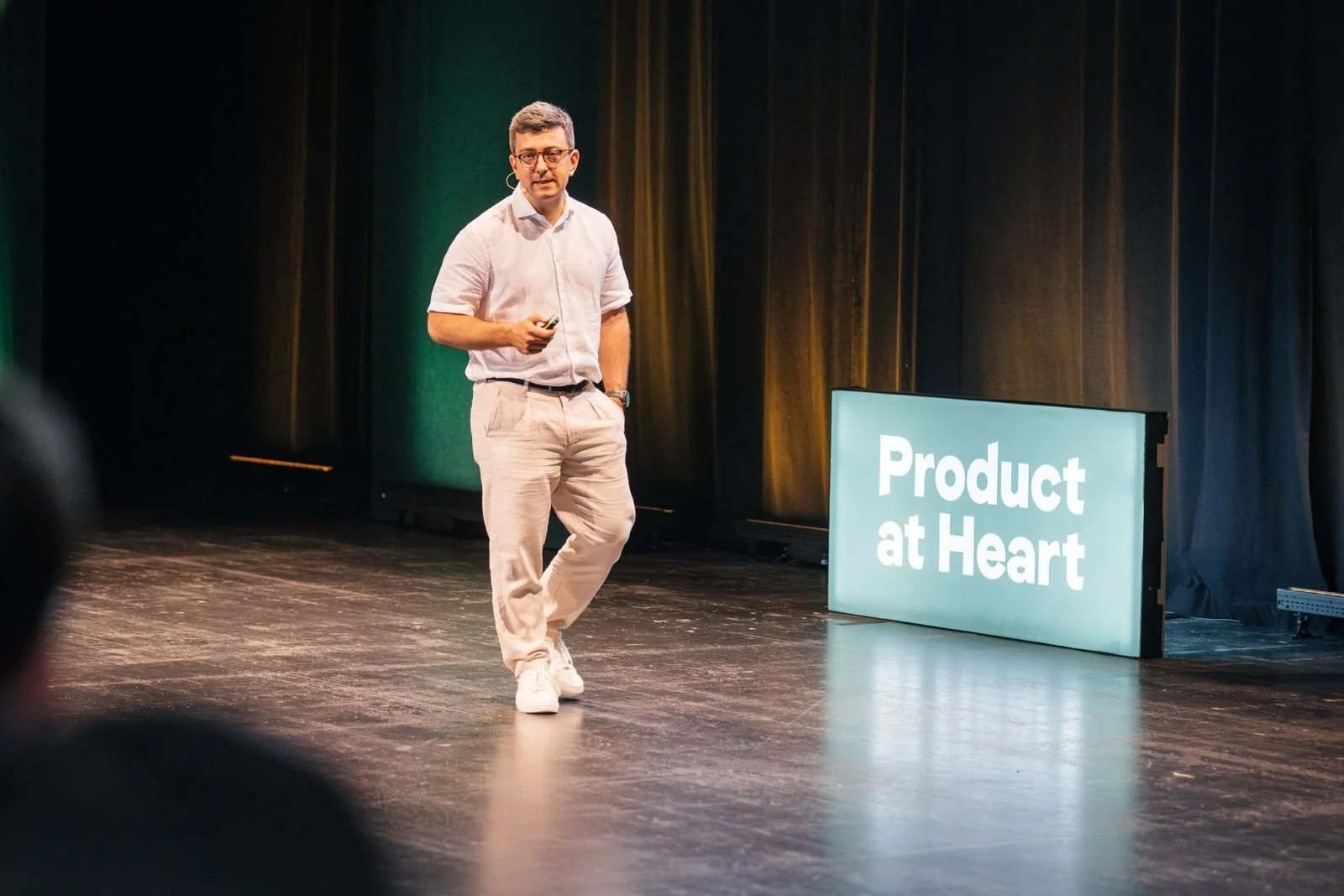
Simonetta Batteiger invited us to sit with the discomfort we’re facing as the ground is shifting beneath us. But she also reminded us that our work as product people has always been about making sense of what’s in front of us, navigating uncertain terrain, and updating our maps when the landscape changes.
Hayder Schneider offered a practical examination of how AI products are fundamentally different from SaaS products. Because AI carries costs that traditional software products didn’t have, product teams can’t ignore commercial questions—we now need to understand what makes AI costs structurally different and adapt our pricing and monetization approaches accordingly.
Jan Werner dove deep into how AI has radically changed work at Instaffo. PMs now deploy prototypes to production in minutes and designers query data without waiting for an analyst. His story highlights how each person can expand what they own and reduce the need for handoffs, along with some of the challenges of adapting to this new style of working.
Remind yourself of what remains
It often feels like everything is changing everywhere, all at once. But the truth is a bit more nuanced. There are still some aspects of our work that remain the same, and the afternoon speakers helped ground us in those topics.
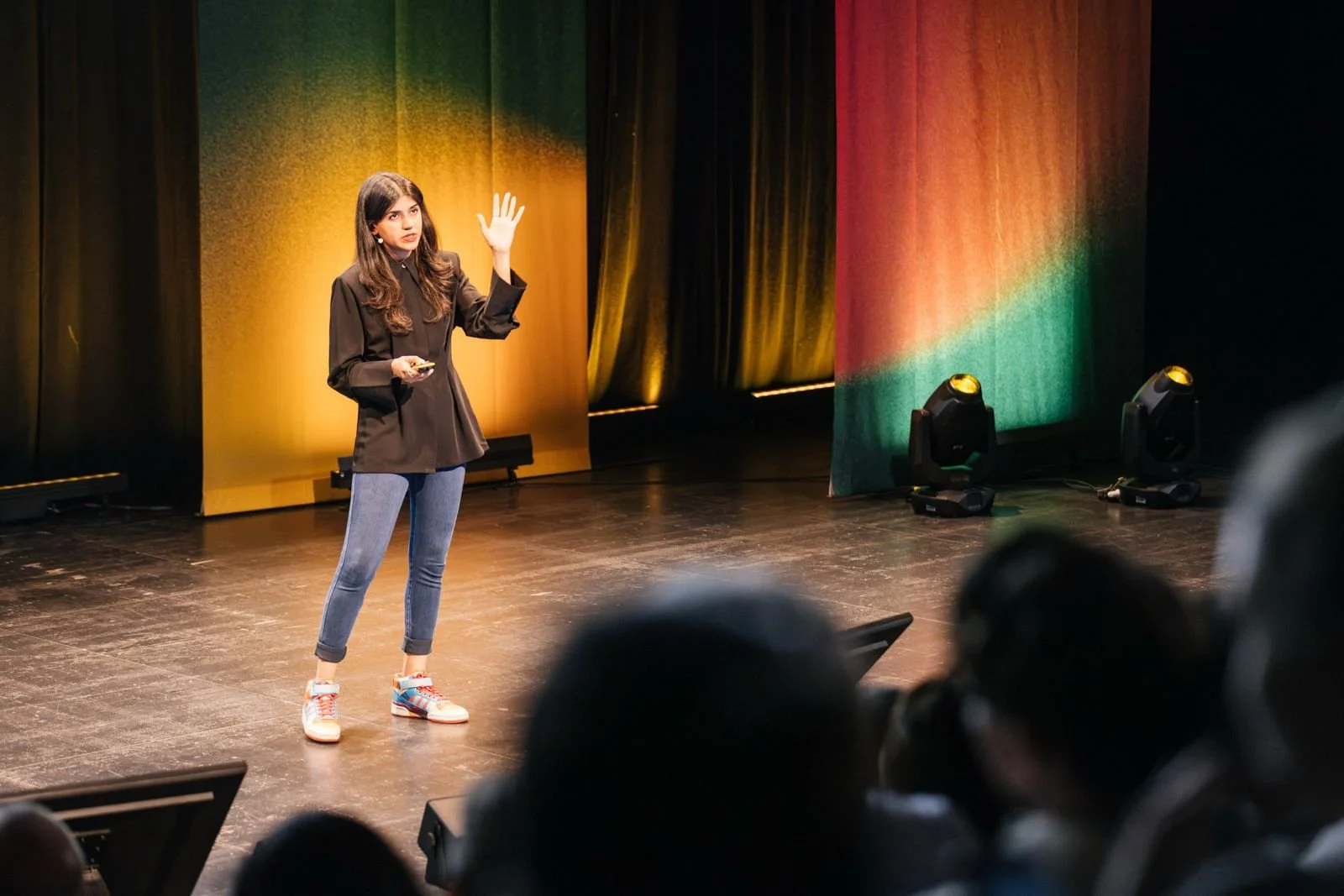
AI can build almost anything, which means that it’s more important than ever to ask, “Are we building the right things?” Surbhi Marwah took us through her work at Zalando, sharing several examples of human capabilities that continue to remain relevant, including deeply understanding problems beyond the data, imagining how products and ecosystems may evolve, and exercising product judgment when multiple “good” options exist.
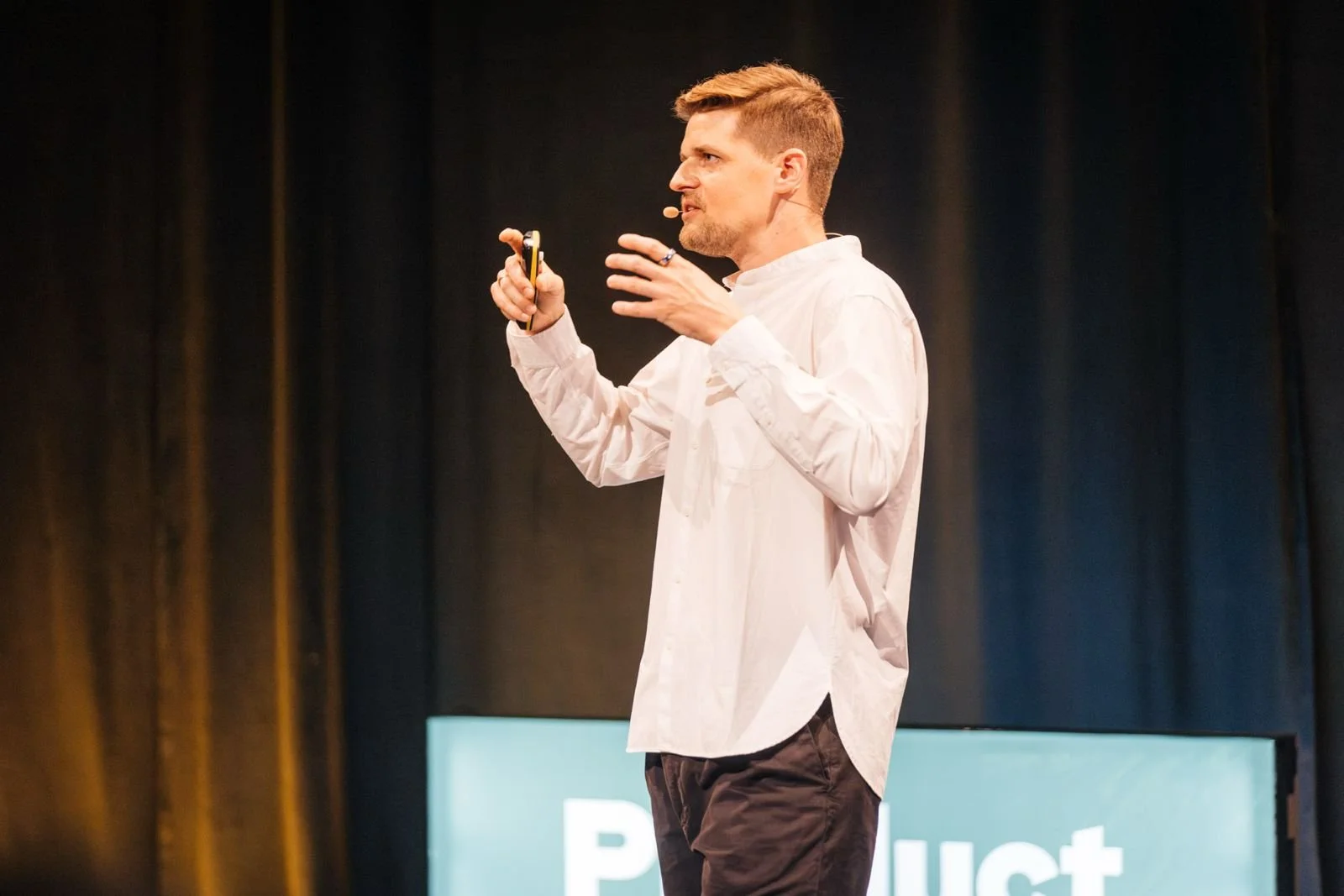
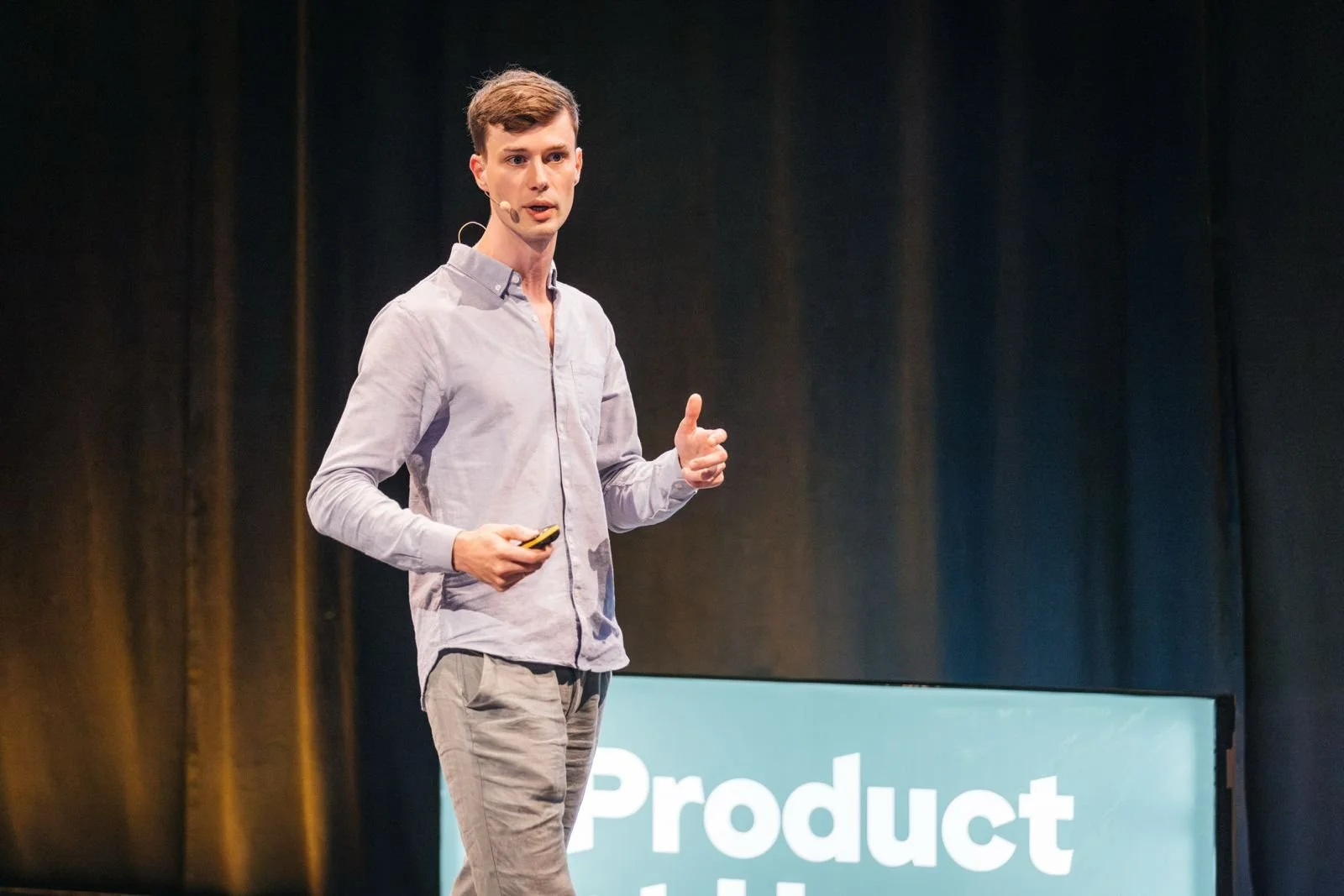
Thomas Brouwer argued that one of the most important things product people can have now is conviction, which he defines as a strong belief in the problem you’re tackling, how to solve it, and the strategy for getting there. While AI will try to do too many things at once and produce sub-par results, PMs who have conviction will be able to focus on doing less but having a significantly greater impact.
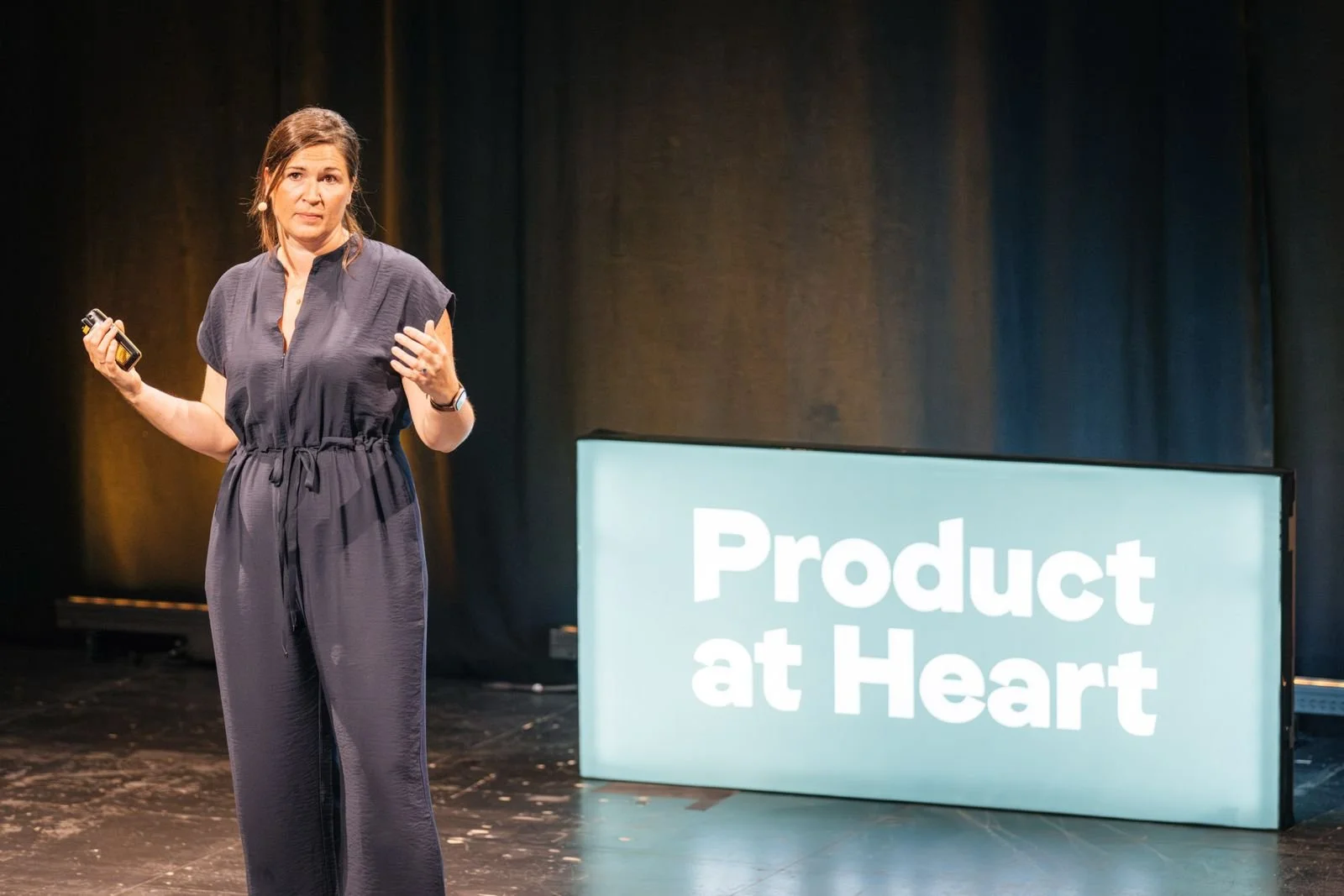
Pippa Topp reminded us that we are still humans who live in a sensory world. And it’s worth cultivating that part of ourselves from time to time, whether it’s through simple mindfulness exercises, limiting our screen time, or going to events where we have the chance to connect with other people. (Which, by the way, is a great reminder to save the date for next year’s Product at Heart! More on that in a bit.)
Don’t shy away from hard problems
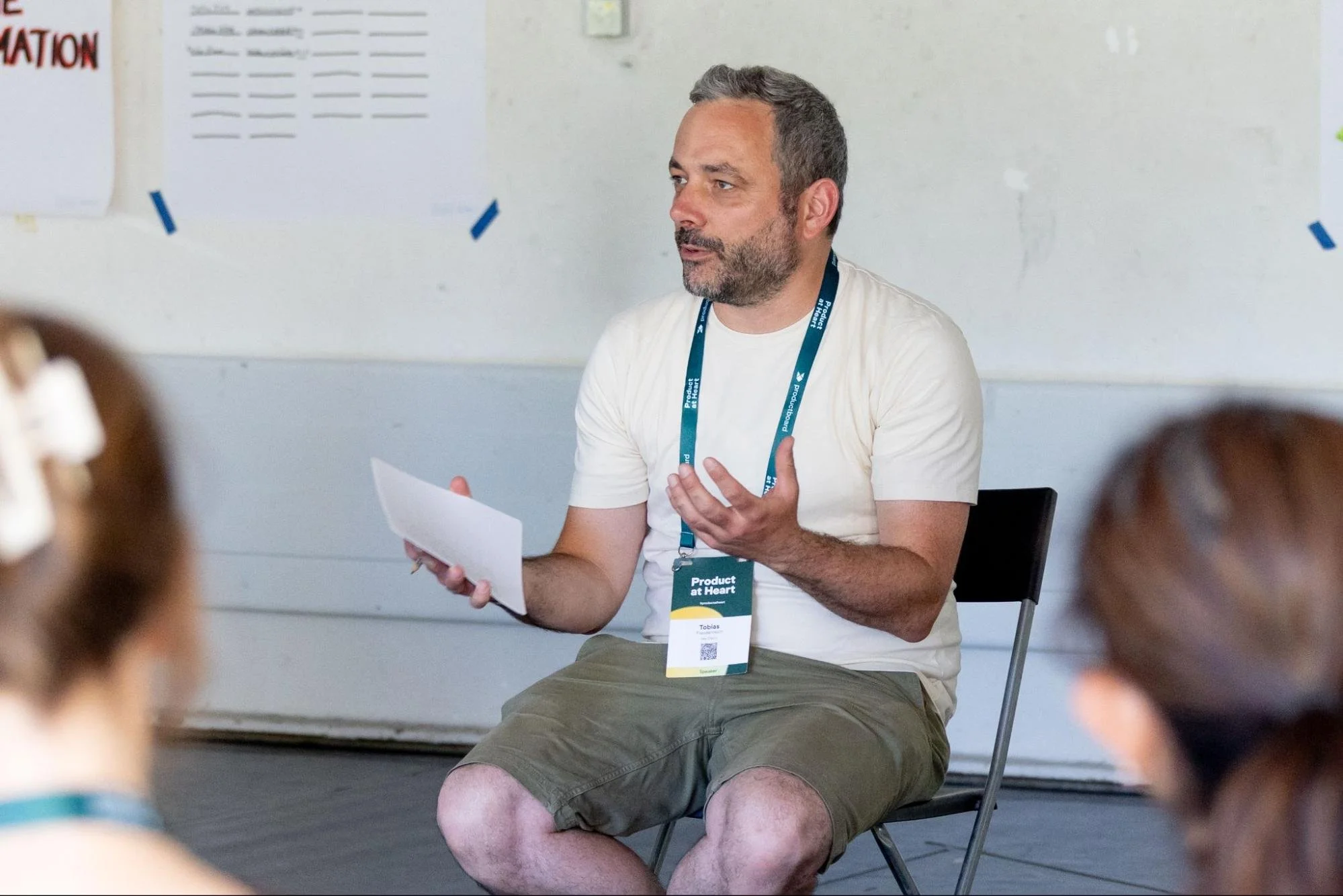
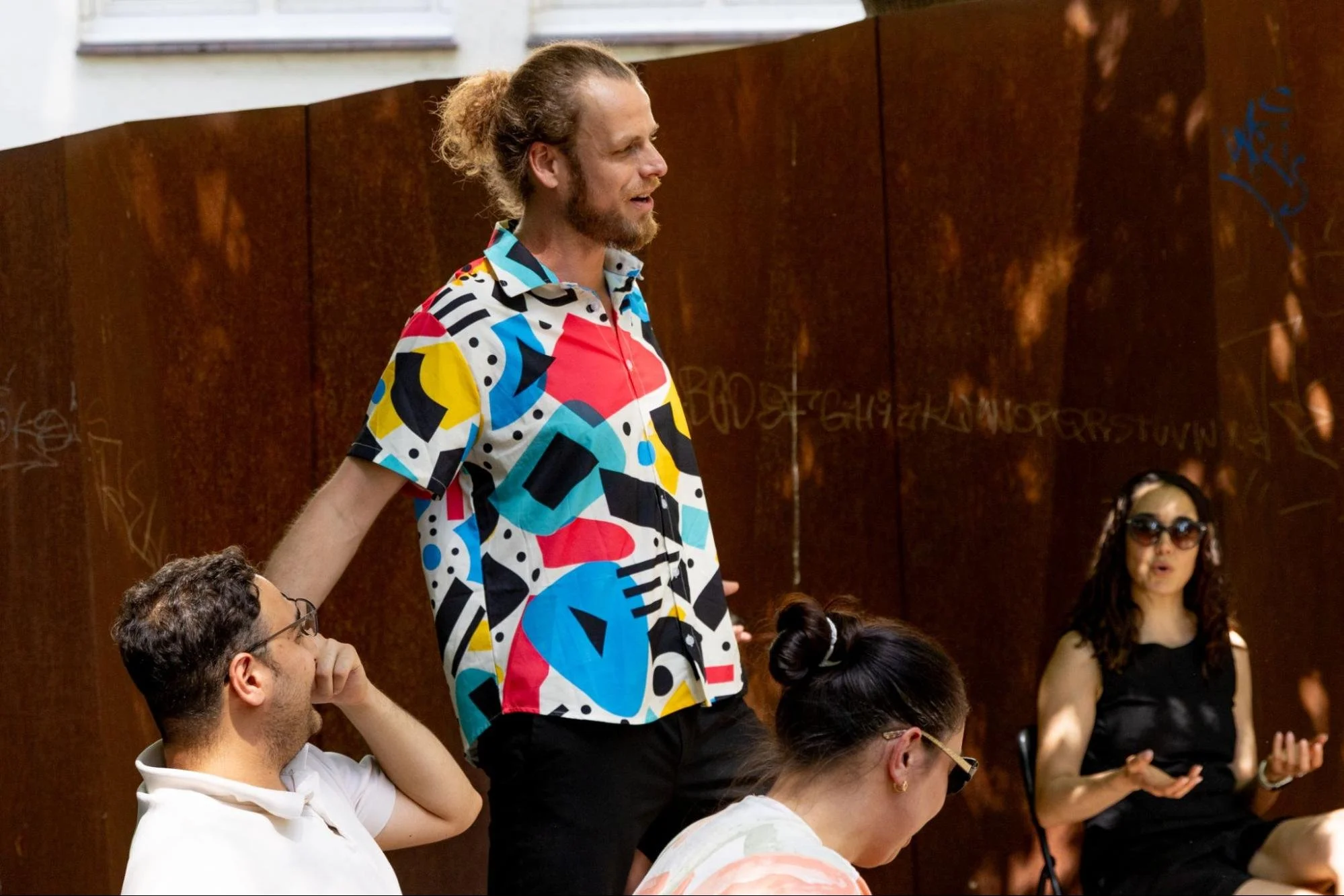
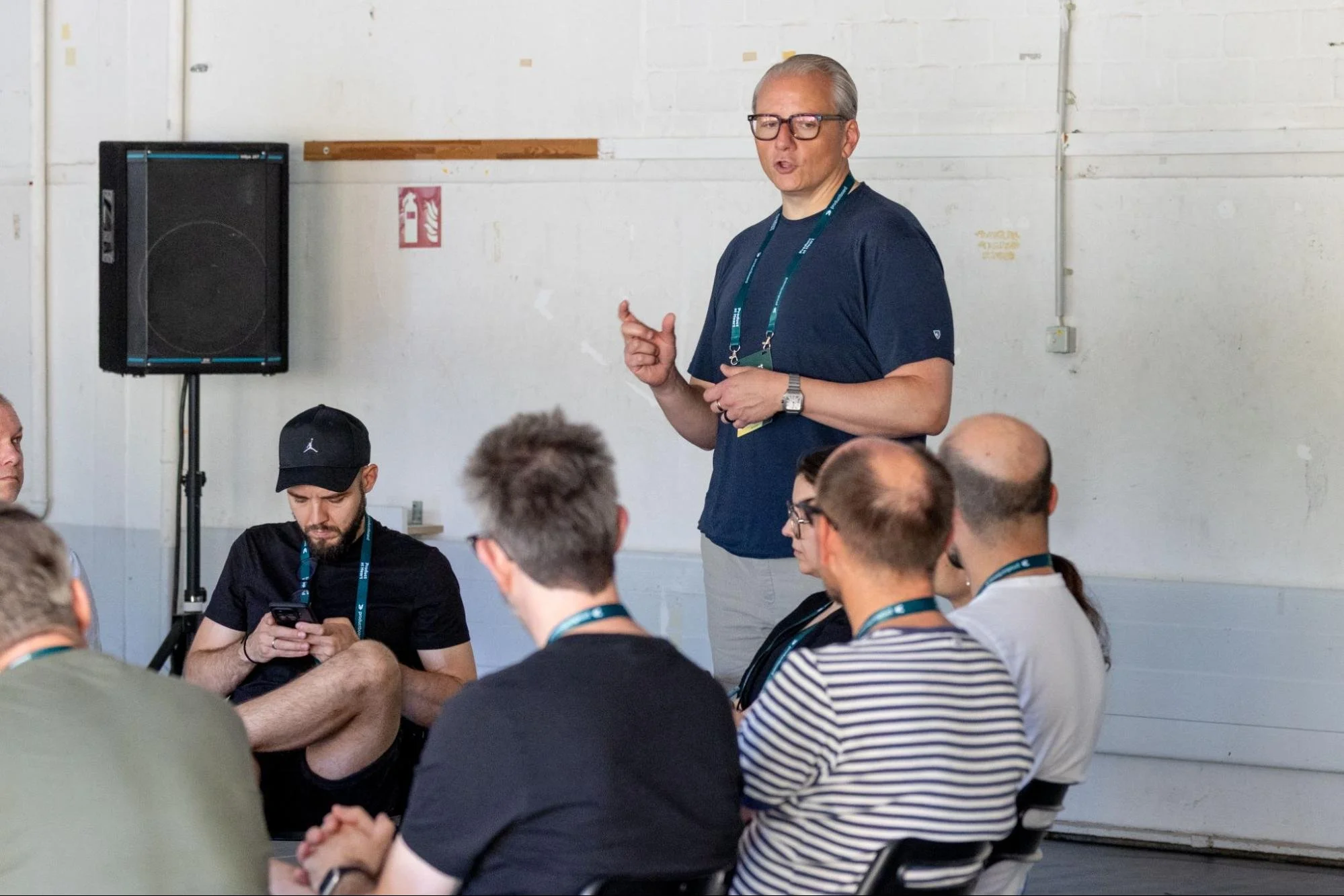
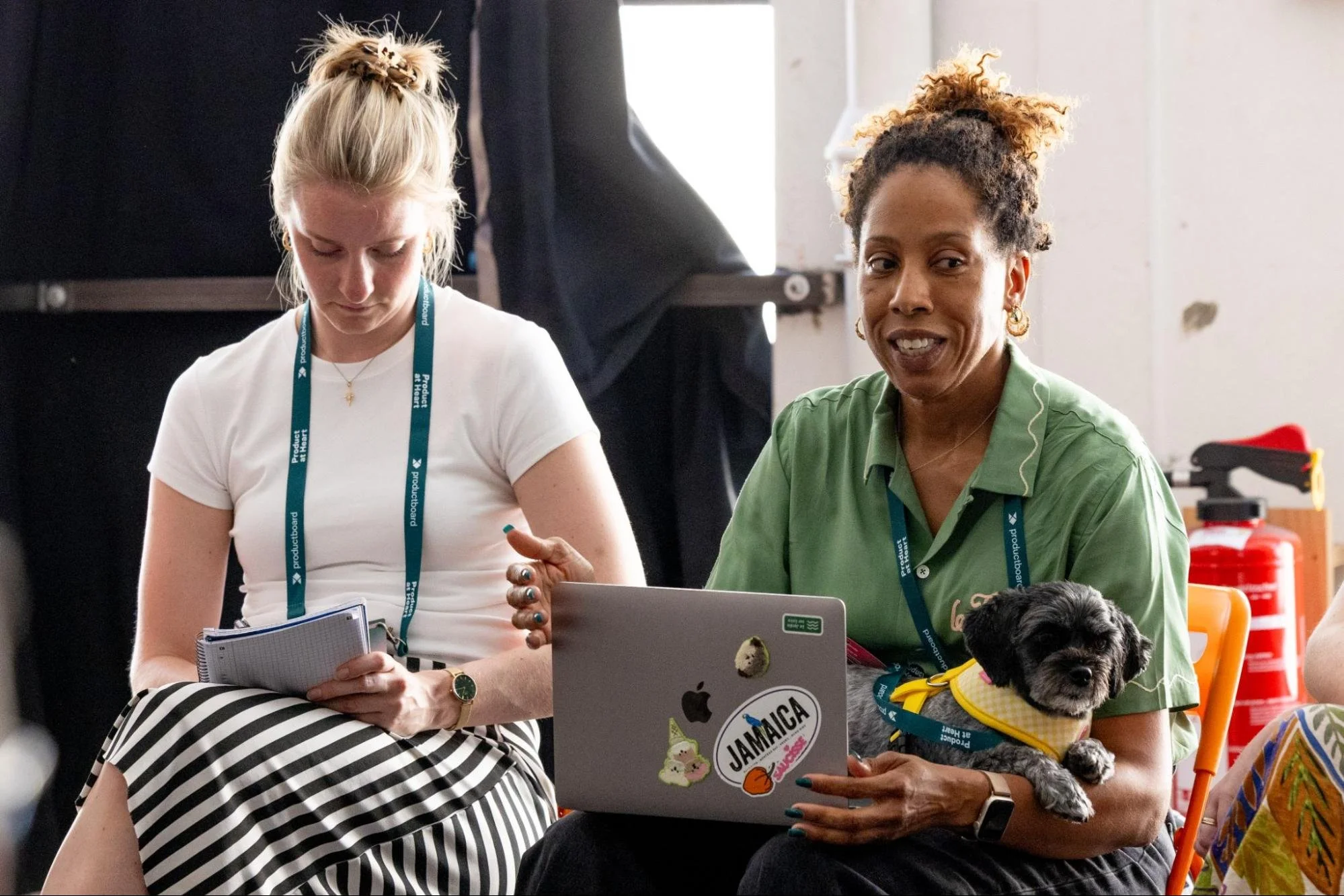
This year, we also created space for attendees to connect around a specific topic and invited some of our favorite product people to facilitate. These “Hard Problem Clubs” included:
Martin Eriksson hosted “Principles: How do we make the right choices?”
Rich Mironov hosted “Founder-Led Organizations: When Founders are De Facto Product Leaders”
Mathieu Ritter hosted “Your Next PM Job: From Wanting it to Getting it”
Kai Stevens hosted “Hardware Discovery: When the Usual Playbook Doesn’t Apply”
Tobias Freudenreich hosted “Strong Product Orgs: Making the Transformation Last”
Natalia Williams hosted “Executive Presentations: Why Good Work Doesn’t Sell Itself”
Dorra Mlouhi hosted “Sunsetting: The Strategic Art of Letting Go”
Heike Funk hosted “Building from Zero: The Illusion of the Blank Page”
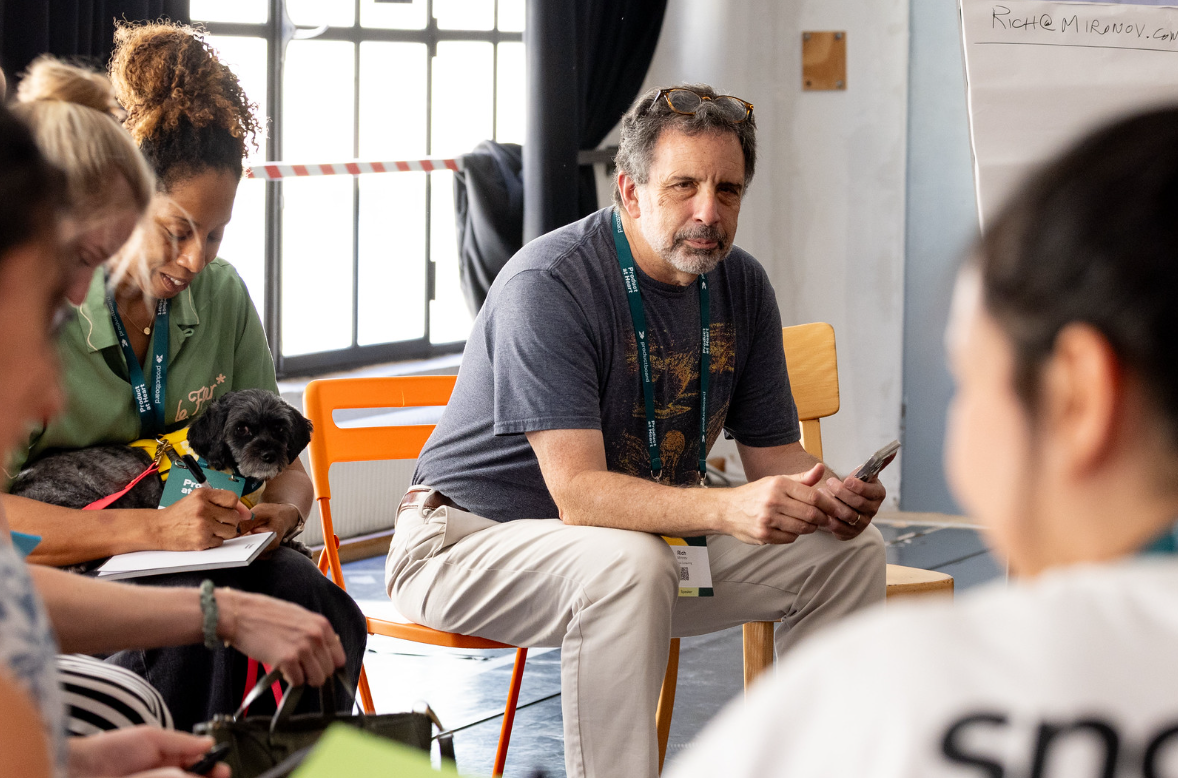
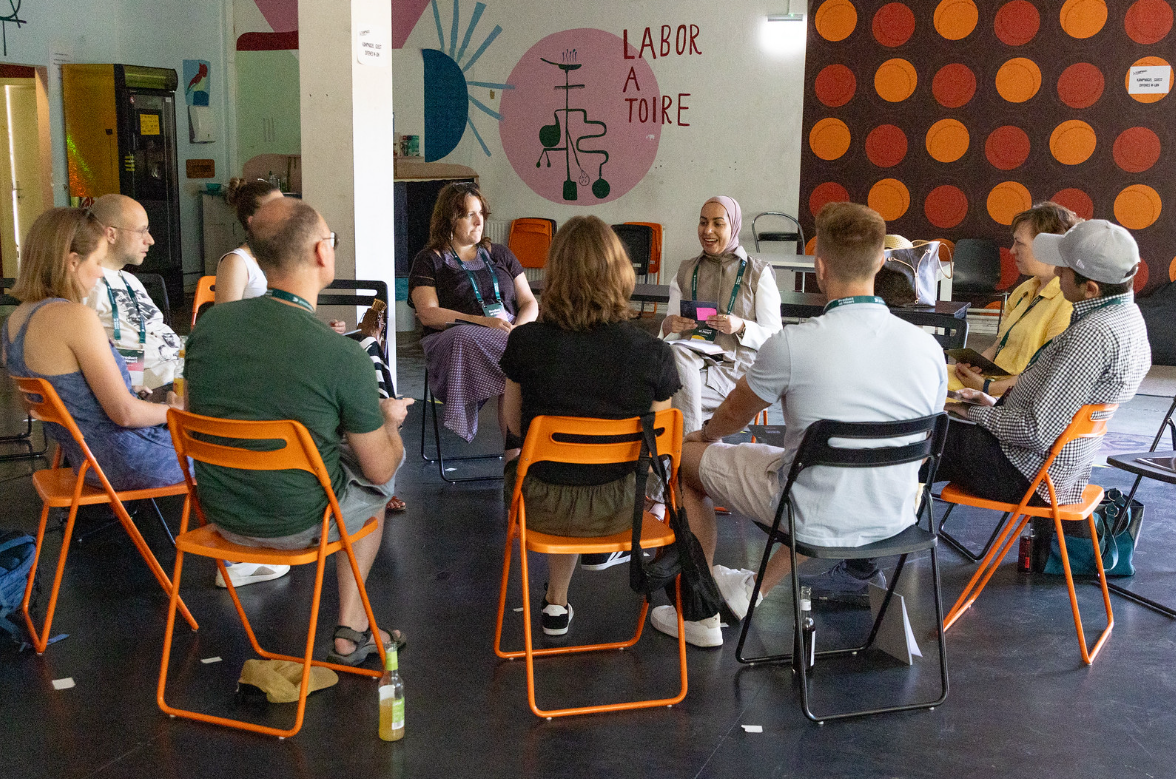
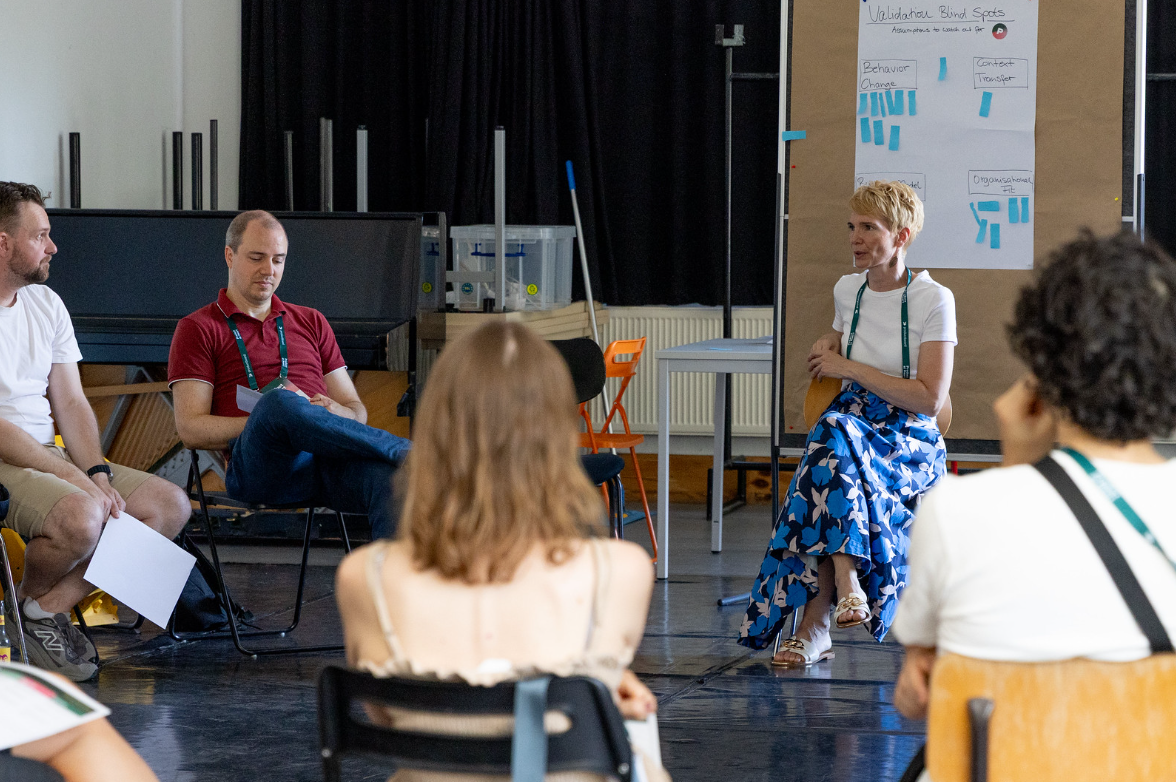
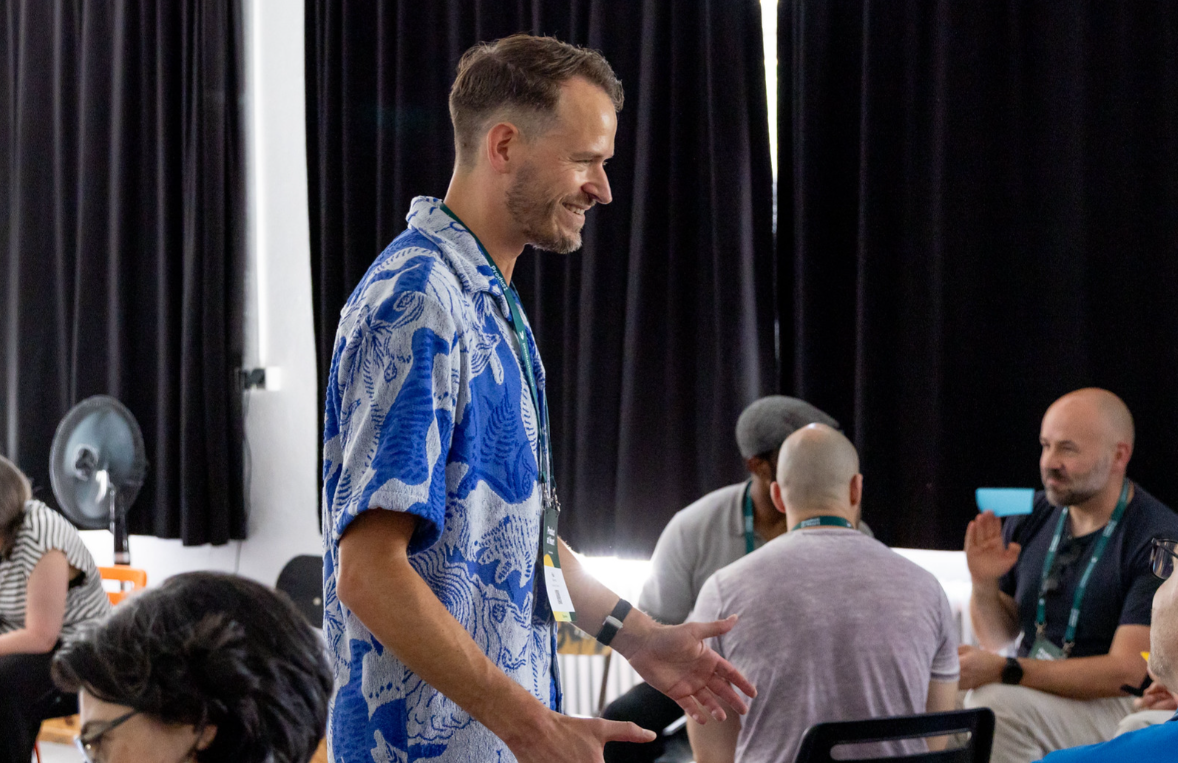
Speakers also participated in roundtable discussions, giving attendees the chance to dive deeper into topics or questions that were sparked during the keynote presentations.
Reframe problems as puzzles
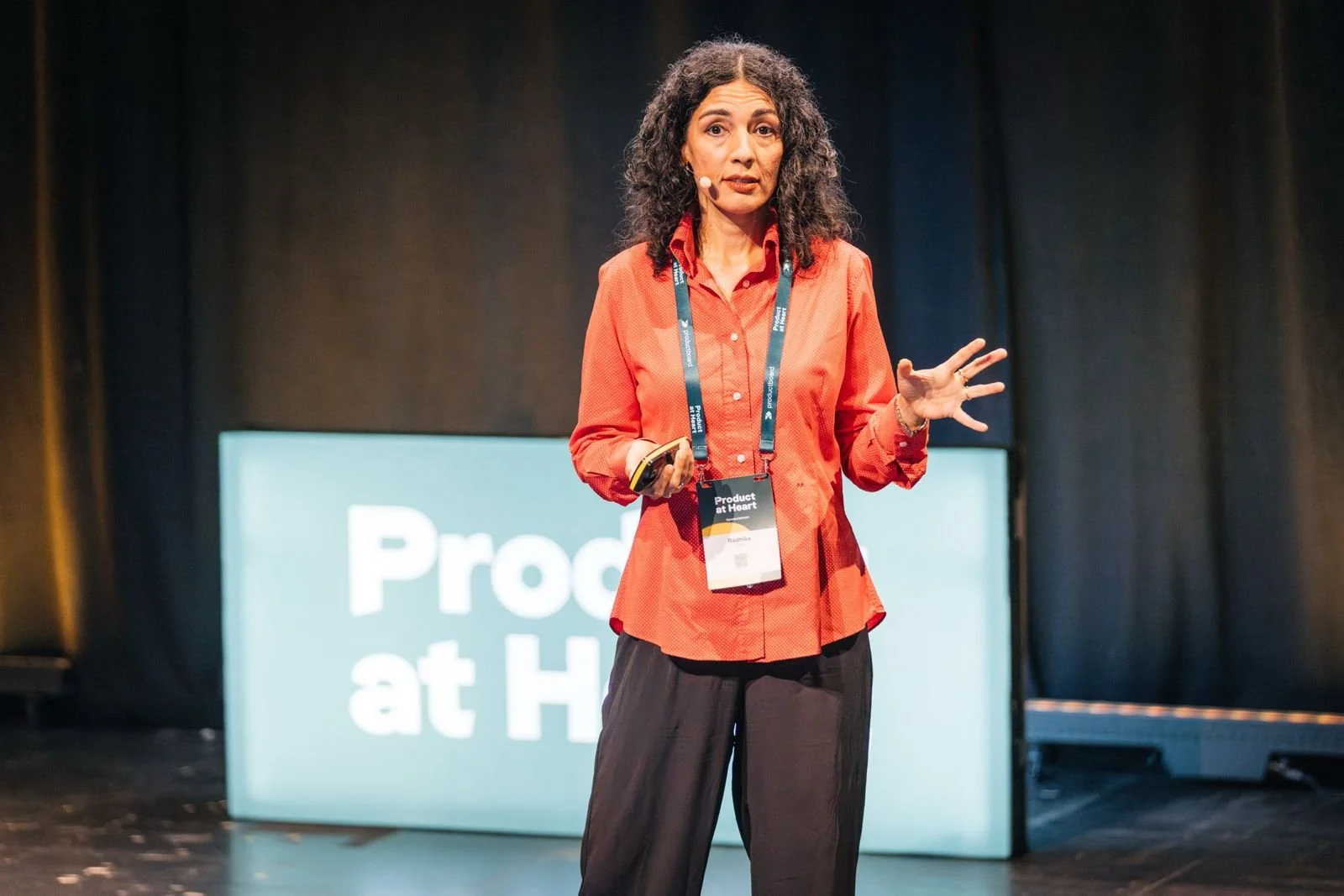
If you’ve ever seen Star Wars, you’ve probably observed the difference between Stormtroopers and Jedi. Stormtroopers always seem to be doing a lot. They’re shooting their guns and running all over the place… yet they never really accomplish anything. Jedi, on the other hand, have a lot less chaotic energy, and yet they’re able to overcome formidable enemies.
You can embrace that Jedi focus and discipline by reframing the way you think about problems, says Radhika Dutt. Instead of thinking about your work in terms of numbers to hit (which often leads to stress and anxiety), Radhika suggests a practice she refers to as puzzle-setting. This involves observing, hypothesizing, and learning, which all tend to be a lot more fun (and effective) than striving to meet an arbitrary number.
Examine the uncomfortable ethical considerations
To close out the day, cyberpsychologist Elaine Kasket asked us to sit with some uncomfortable but increasingly urgent ethical considerations. New technological capabilities mean that we now have digital afterlives (all the data we leave behind after we die). In the absence of clear regulations or best practices, it’s not always obvious who that data belongs to, how bereaved family members can gain access to or delete it—or even if they should have the rights to do these things.
Weaving in concepts from the Makers Manifesto against death tech products, Elaine asked us to weigh questions like, “Are normal human experiences like grief and death ‘problems’ to be solved by a product?” and “Who is well served by this product? The powers that be, the machine, the living, the dead?”
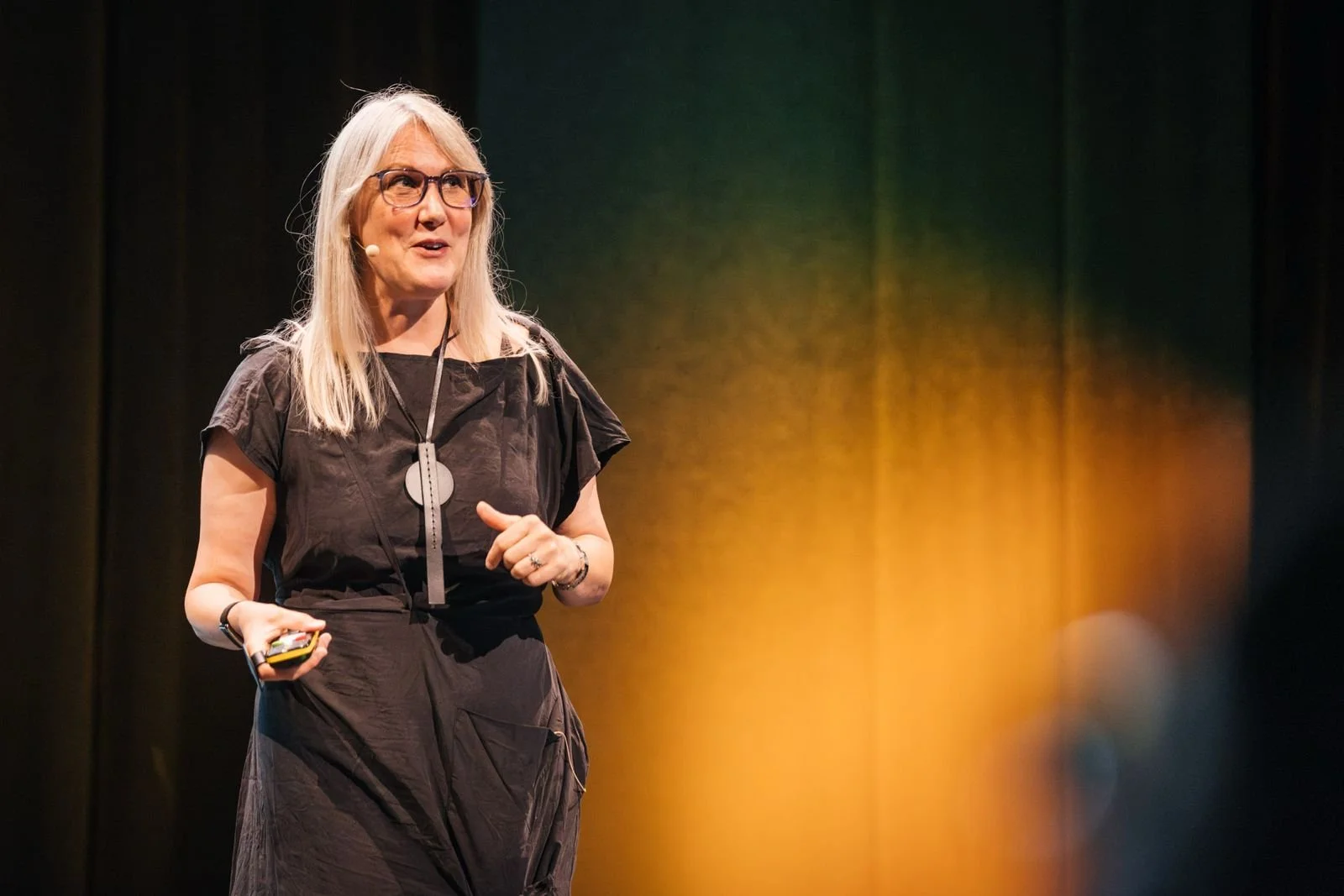
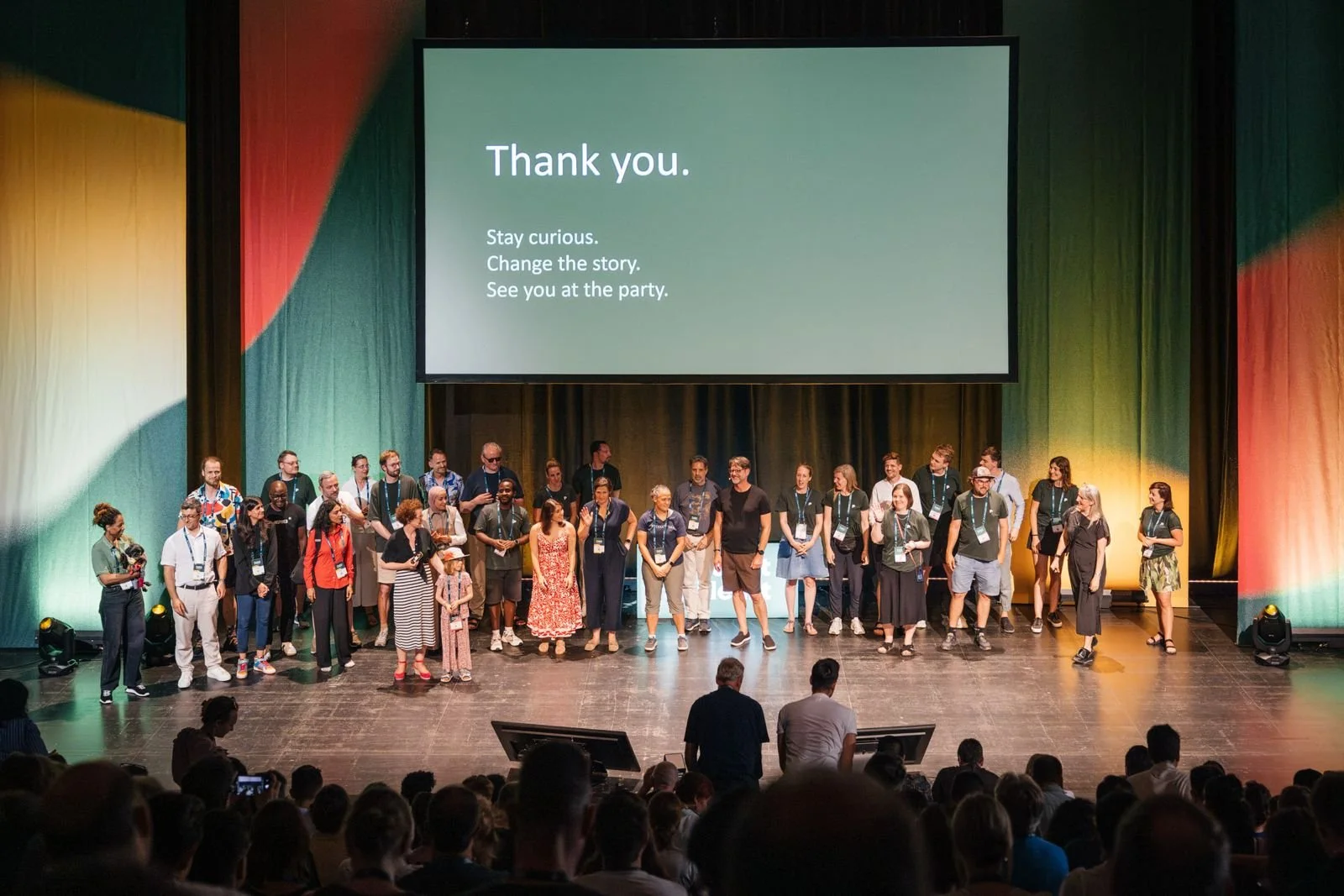
After Elaine’s talk, Arne and Petra came back to close out the day, thanking the volunteers, team, and partners (and inviting a few special guests on stage). And with that, it was time for everyone to head out to debrief on the day, mingle with authors and get their books signed, and enjoy some much-needed cold drinks.
A few final thoughts to share
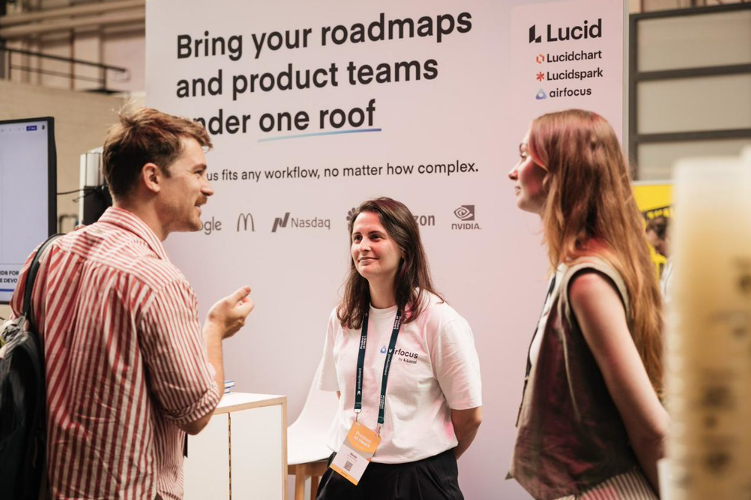
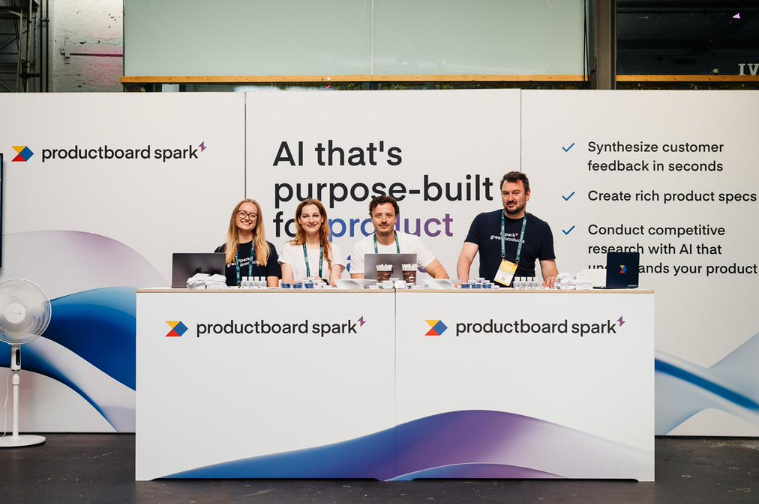
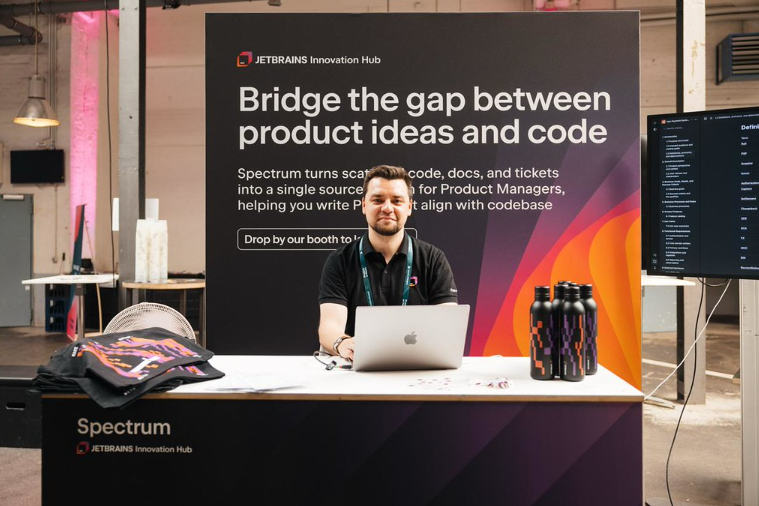
We’d also like to extend a very warm Hamburg thank you to all the sponsors who made this event possible: Productboard, airfocus by Lucid, Jetbrains, Fork, Strong Product People, Hey Clarity, and nextMedia.Hamburg.
We have to mention that this post offers just a brief glimpse into all the inspiring content from Product at Heart 2026. If you’d like to dig into any of these topics in more detail (and we highly encourage you to do so!), we’ll be sharing more in-depth recaps of each session along with video recordings on our blog and in the video archive in the coming months. Watch this space or follow us on social media for more updates!
And one last thing before you go—we’re thrilled to announce we’ll be doing it all again, back in Hamburg with our Leadership Event on April 12–13, 2027 and the workshops and main conference on June 24–25, 2027. We’ll be sharing more updates once tickets go on sale.
Bonus: Attendees share their stories and highlights
We love the fact that Product at Heart sparks so many connections and insights for everyone who’s involved—speakers, attendees, volunteers, and sponsors. Here are a few highlights they shared.
“Hottest conference in town!”– Daniel Brückmann
“A tremendous pleasure to join Product at Heart for a full-day Money Stories workshop, then attend the brilliant speaker day.”– Rich Mironov
“I was so happy to have so many thought-provoking conversations today! Thanks so much for having me. It was an honour to close the conference programme today.” – Elaine Kasket
“What a privilege to address the Product at Heart audience with a talk about how to meet this moment. Thank you for inviting me! And can't wait for next year!” – Simonetta Batteiger
“So turn and face the strange
Don't emphasize the dark
Contribute to the light.”#productatheart’s been such a delight so far and YES to the unusual openings! ✨ ✨ ✨” – Edyta Wrobel
“Through 34-degree heat in Hamburg, #Productatheart still felt like exactly what product people need right now: part conference, part community, part group therapy for the very specific chaos of building products across industries.
Huge shoutout to Arne Kittler and Petra Wille, for creating a space that felt both deeply thoughtful, genuinely intimate and that had meaningful takeaways for me and I am sure all attendees.
The keynotes and Hard Problems Club sessions tackled the big questions: how we work together as product people and with our design and engineering partners, how we embrace AI without losing our humanity, how we navigate uncertainty, & ever changing priorities and how we remember that connection still matters.
The magic was in realizing: we’re not alone. Different companies, different industries, same wonderful mess.
I met some wonderful people doing amazing things and glad to now be connected.
Also: we were fed, watered, caffeinated, and then somehow still had energy for a killer party afterward.
I also got to bring Nina for emotional support!
Product at Heart, you are a shining beacon for Product! Danke schön!” – Natalia Williams
Two talks. Two different perspectives. One common message.
This morning at Product at Heart in Hamburg, Christian Idiodi and Teresa Torres approached the future of product from opposite directions, yet arrived at remarkably similar conclusions.
Christian challenged us to think beyond the traditional Product Manager and embrace the era of the Product Creator.
A few ideas that stayed with me:
When building becomes cheaper, bad strategy becomes more expensive.
Product sense becomes the competitive advantage.
AI should help us seek understanding, not simply generate answers.
Discovery, strategy, and judgment matter more than ever.
Teresa then made those ideas tangible. Rather than talking about AI in theory, she shared how she has become an AI builder herself—creating practical tools that improve her daily work, from customer interviews and synthesis to discovery workflows and knowledge management.
What I appreciated most was that neither talk framed AI as replacing product people. Instead, they reinforced that our role is evolving.
The future belongs to product professionals who combine deep customer understanding, strategic thinking, creativity, and the ability to build or orchestrate AI-powered workflows that amplify their impact.”– Omar Sallam
“It was such a pleasure sharing the stage with fellow product people. Product at Heart perfectly captured the spirit of the event and the conversations we had in the corridors, around the round tables, and throughout the day. It really resonated with me.
Thanks for the opportunity. It was a pleasure to be part of it!” – Surbhi Marwa
“Great to be back at #productatheart today! It's always a great place to get inspired and reconnect with colleagues and friends like Anton Zgurskiy and Daniel Just. A huge thank you to Petra Wille and Arne Kittler for organizing such a stellar event for the product community. See you all next year!”– Jörg Eichentopf
“Hamburg, 34°C, and a room full of product people who showed up anyway — that’s commitment 🌡️
Spent today at Product at Heart with my colleagues from all 3 business units of #berthold. Christian Idiodi opened with a keynote that left us thinking about how being more a product creator than a product administrator — and that set the tone for a day that was less about big takeaways and more about the conversations and the Networking in between: comparing daily experiences as product managers with strangers, swapping stories with colleagues, realizing many different companies are facing similar challenges like we do.”– Heike Mann
“‘Most of our ideas will still suck.’ Quote of the day, from Christian Idiodi at the Product at Heart conference in Hamburg. The problem is that we can build those ideas way cheaper and faster now. So the biggest question remains: should it be built? Build to earn as he calls it. As the opportunity costs make it expensive. At the same time, we can also understand faster in discovery if our ideas works or not. This is what he calls build to learn.
A big thanks and shoutout to Petra Wille, Arne Kittler and the entire team for this fantastic conference. It was the 9th edition this year and without a doubt it is the best product conference in Germany. I admit, bit biased this year, not only did I have the chance to attend, while we (Lutz Göcke and I) also got the chance to sign and hand out copies of our book "Produktmanagement". Big thanks to Experience One for making this possible.” – Michael Schultheiss
Today I volunteered at the Product at Heart Conference. Besides some interesting backstage experience it was all about exchange - and of course great speakers! I captured my notes of 3 awesome talks by Teresa Torres, Jan Werner and Pippa Topp. Thanks Arne Kittler and Petra Wille for the opportunity and my fellow volos for the fun day 🩷💚”– Eva Nesbach
Had a sweaty 😅 but wonderful day with my colleagues Carola Voss, Basti Witsker and Maike Ramcke at #productatheart ♥️
Really enjoyed the talk of Pippa Topp about connection and staying human - including the idea of finding a word for the year instead of new year‘s resolutions.
Also liked a lot the energy of Christian Idiodis talk who challenged what really matters in the role of a pm - and what cannot be easily replaced.
Takeaway for the next summer conference: we need Spaceteams cooling packs & fans 😅”– Franciska Top
“Had an incredible morning at #ProductAtHeart! 🚀
Christian Idiodi gave a standout talk which captured how human skills are more critical than ever in a world of AI.
Whilst it can feel that our worlds as product managers are being turned upside down at times, it's crucial to remember AI does not replace many product management fundamentals - judgement, taste, ethics, strategy or leadership. In fact, they're more important than ever.
Without a doubt, the delivery of products is being disrupted by AI at a remarkable pace (Claude Code was mentioned at least 2,462 times today). But, this increase in velocity means the human skills which go into deciding which problems to solve and how to solve them in the right way are even more critical.
Remember, your LLM does not know anything that has not been said or written! Thank you Christian for the talk and the Product at Heart gang for a great (and very hot 🥵) day.” – Callum Barker-Nicol
I‘m so happy to finally experience my first Product at Heart conference ever! I was super excited (or nervous?) this morning seeing (and feeling!) two friends enter this huge stage in this huge venue to frame the day with this beautiful line in David Bowie‘s ‚Changes‘: Turn and face the strange. And stay with it for a while, they said. You did great, Petra Wille and Arne Kittler, and thank you for curating and cultivating bright signals.” – Christophe Stoll
“Today I attended the Product at Heart conference in Hamburg for the first time.
As expected, AI was the main topic. Most talks focused on how it is changing the role of Product Managers and the way we work.
Before the conference, I had quite a few questions and concerns about my role as a PM. On my way home, I realized that today gave me much more clarity about what will stay and why Product Managers are still needed.
It comes down to human connection, strategic thinking, leadership, and domain knowledge. These are things that AI can't replace (by now). At the same time, it's already changing how we work and operate.
My key takeaways from today:
- AI helps us reduce repetitive work, build faster, and cut down on handoffs.
- Human skills like leadership, emotional intelligence, trust, and influence are more important than ever.
- Nothing works without a strategy. AI helps us move faster, but it doesn't know the difference between quantity and quality.
Besides learning a lot, exchanging on the inputs, and meeting other product people, I also came home with a few books that I'll be reading over the next few weeks.
Thanks a lot for this amazing, product-focused conference!” – Mareike Kittner
“A sax performance of David Bowie's Changes to kick off the Product at Heart conference... if this isn't the coolest kickoff I've seen so far.” – Terence Chan
“Are normal human experiences like grief and death problems to be solved by a product?
Yesterday at Product at Heart, every keynote left me with something valuable.
Teresa Torres's story reminded me that the first step is always the hardest. After breaking her ankle and spending weeks away from work, she kept seeing post after post on LinkedIn about AI changing everything. She felt scared and left behind. Yet, despite not knowing anything about deploying applications, version control, or error handling, she took one small step: building an AI coach for user interviews. That tiny first step became the most rewarding experience of her career!
Christian Idiodi shared his family practice called “AI Thursdays” where his kids create something with AI every Thursday before dinner while he cooks what he calls his best dinners of the week. A simple practice that replaces fear with curiosity and builds confidence through creating.
But it was Elaine Kasket's keynote on Digital Afterlife that stayed with me.
She challenged us to think beyond what AI can do and instead ask what it should do. Should products preserve us after death? Make decisions on our behalf when we die? Replace the roles we once held?
Then she left us with questions I'm still thinking about:
Are grief and death problems that products should solve? Whose values do these products serve, and whose don't?
I left inspired to create with AI faster and more confidently than ever before. But I also left with a deeper reminder: our job as product people isn't just to build what's possible. It’s sometimes to even thoughtfully decide what should exist especially when we start applying technology to something as existential as death.” – Sarah Talebi
“‘We perform best, when we are at our best’
Pippa Topp's talk about staying human in an AI world was my absolute highlight at this year's Product at Heart conference.
With so many of us amplifying our personal output in ways that weren't possible before, while getting stuck at building a team of one, it's so comforting to be reminded that product used to be and still is a team sport.
I'm grateful for the conversations I had with so many product people I know from previous years and all the wonderful new people I got to meet. It's been a powerful reminder of why I love being part of this community.” – Timo Streckfuß
“2-part summary of the hottest product conference in Europe Product at Heart - I'm pretty sure it was over 40 degree in the venue 😅🫠
This one is a personal summary. I'll share my favourite slides tomorrow or on Monday with my biggest takeaways.
But this one is emotional.
1️⃣ - I cried backstage.
After listening to Pippa Topp's keynote in which she invited us to connect more with ourselves.
We are addicted to our phones and the digital world. We miss out on real life, don't see what's happening around us, and don't connect with our loved ones. That's EXACTLY how I've been feeling for the past...FIVE YEARS!
Bring a bit more "life" into your life. It's not contradictory. "We perform best when we're at our best" as she put it.
How?
The goosebumps moment for me was one simple question she asked: "What did you LOVE doing as a kid?" Do more of that again.
As a workshop facilitator I had a speaker badge. I ran backstage, hugged her deeply, said thank you and cried.
When was the last time you were that deeply touched? Say thank you to that person.
2️⃣ - I thought I suck.
I took a seat next to strangers. On my right, a lady said "Büşra I wanted to say that your course is fantastic it's so helpful!"
Me: "Which course?"
Her: "Your metrics course"
Me: (baffled) "The self paced one?"
Yes. Thank you Victoria 🙏
Me: I thought it sucks it's too long too difficult.
Her: It's perfect to look things up when I'm in the situation. That's exactly what I need.
And said:
"If this was an ebook I'd immediately buy it!"
🤯😍
People keep telling me I should write a book and I say I don't know about what.
Turns out there's something that a) people find great and b) could work as a book.
On top of that, hearing in the evening that a) my (ex-)coachees recommend me to others on the spot, b) workshop participants praise my workshop as super helpful and write about it on LinkedIn, c) fellow coaches praise me as "brilliant" - I'm so touched.
This is not a humble brag.
I'm very critical of myself. I don't do halfbaked things. My work has to be useful / helpful for others or I won't do it.
This feedback told me: My work helps people and pushed motivation ❤️
3️⃣ - My data shouldn't be my legacy
Elaine Kasket talked about how our data is used in our afterlife. Like avatars created based on our digital trace. People chatting with their buried loved ones. Dead people misused for political campaigns etc.
And how difficult (impossible?) it is to get the data deleted.
This made me think of my daughter. When I'm not there anymore, she will have the burden to trace which apps I was using and get as much deleted as she can.
Or she won't bother.
If I bother (and I do), I need to do a cleanup before I leave earth.
❤️
One more time an event that does not only talk about technicalities but touches us as humans.
That's what makes Product at Heart special.
Thank you Arne Kittler and Petra Wille & the PaH crew ❤️” – Büşra Coşkuner
Festival: “Hey, do you want to play at our festival?”
Band: “Absolutely! Who else is playing?”
Festival: “Don’t worry. We’ve put you on right AFTER Foo Fighters.”
That’s how I imagine Petra and Arne inviting speakers to Product at Heart and casually mentioning they’ll be speaking after product headliners like Teresa Torres and Christian Idiodi.
So I have huge respect for everyone who accepted that challenge (especially Simonetta and Thomas representing my hometown of Cologne).
And yes, they absolutely delivered.
Maike, Carola, Franciska and I had a nice day. Inspiring talks, great conversations, and catching up with old colleagues while meeting plenty of new ones.
Let’s not wait until next year to stay in touch.
(That said, we should all make some room in our calendars for Product at Heart 2027 anyway. 🙂 )” – Basti Witsker
“One day at Product at Heart in Hamburg, four keynotes, and one common theme: being intentional about the products we build and the people we become.
Christian Idiodi opened with a simple but powerful question: How much of your work is something you do, versus something that happens to you? A great reminder to be deliberate about where we spend our time and to reconnect with why we chose product in the first place.
Teresa Torres showed what intentional learning looks like in practice. In just 15 months, she went from using ChatGPT like a search engine to building AI-powered workflows with Claude as her personal operating system. Her message wasn't about becoming an AI expert overnight. It was about continuous improvement through small, compounding steps.
In the afternoon, Radhika Dutt challenged us to stop acting like Stormtroopers, busy, reactive, and constantly in motion and instead become Jedi: focused, disciplined, and intentional in how we create value. Productivity isn't about doing more; it's about doing what matters. Goals kill curiosity, reward performance theater, and drain the life out of real progress. The antidote? OHLA (Observe, Hypothesize, Learn, Adapt), a better way to lead, align, and build what matters.
Elaine Kasket closed the day by taking us beyond product roadmaps and feature launches. She asked us to consider our digital legacy: what happens to our data after we die, and what responsibility do product teams have in designing for that reality? A powerful reminder that the products we build can outlive us.
Great product management isn't just about shipping features. It's about intentionality: how we spend our time, how we learn, where we focus our energy, and the long-term impact of the decisions we make.
Thanks to Arne Kittler Petra Wille and everyone at Product at Heart for an inspiring day of learning.” – Dennis Pereira
“Hamburg is on 🔥 🔥 🔥
On the hottest day of the year, we turned Product at Heart into product at hardware for 90 minutes 😎 😎 😎
After stellar opening key notes from Christian Idiodi and Teresa Torres on the future of product management in the age of AI,
I had the pleasure to deep dive into the difficulties and specific challenges of product discovery in the hardware space.
Together with 18 passionate hardware product people:
👉 We reflected on the fact that in hardware many product decision are irreversible and highly consequential if you are wrong
👉 We brainstormed on the smartest ways to make your decisions either high in confidence or more reversible
👉 And of course - to tie it all back to today's conference - we explored how AI can help us with this
Thanks to all participants for your commitment to get the most out of our session despite the tropical circumstances 😅 🫠 😍
And thanks again to Petra Wille and Arne Kittler for allowing me to be part of this amazing conference!! 🙏” – Kai Stevens
“This years topic at Product at Heart again hit the nail on its head. Change - a now more important keyword than ever.
If history has taught us one thing about predicting the future, it's that change is constant. The era of the product creator by Christian Idiodi did an amazing job of reminding us of what product management is really about. So many of us have been caught in endless cycles of coordinating, holding status updates, ceremonies, roadmaps. When did we stop actually creating stuff?
The rise of AI will inevitably lead to changes in the product management bubble. How one will adapt to these changes will become the differentiator between product management and great product management. What is interesting to me though is that what remains changed very little to the years before. How do we chose what to build? How do we evaluate success? How are we measuring progress?
While AI is allowing us to iterate faster, to experiment faster to get more ideas to a stage where we can showcase them, how much is it helping us to do the right thing? Just because we run 100x faster does not necessarily mean we are running in the right direction.
I am curious to see where this change takes us and look forward to the conversations next year!
It was great seeing some familiar and some new faces in Hamburg!” – Joel Neutzner