
The Territory Changed: Welcome to Mapmaking
You’ve spent years developing expertise as a product person. And now it suddenly feels like the ground is shifting beneath you—the theme from this year’s Product at Heart was “change,” after all! What was once familiar terrain is now a completely new landscape to navigate.
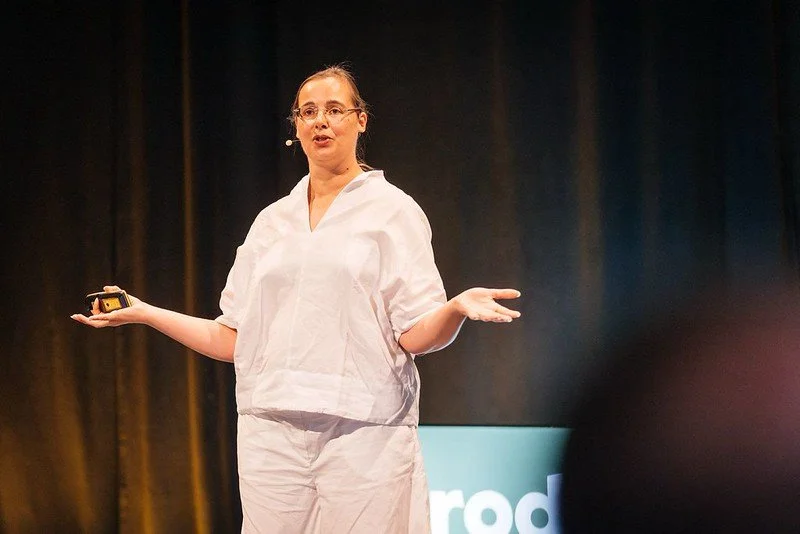
For this year’s themed sessions, Simonetta Batteiger, Hayder Schneider, and Jan Werner took on the question of “What changes?”
In Simonetta’s case, she acknowledged some of the challenges we’re up against while introducing three lenses that can help us sift through our thoughts and feelings in a productive way, ultimately building our own navigation systems. Check out Simonetta’s full keynote or read on for the highlights!
Let’s be honest about something: The territory for product people has changed. And as much as we’d like to follow Teresa Torres’s advice and wander joyously into the unknown, it’s okay to admit that sometimes change can feel hard and uncomfortable.
Simonetta invited us to sit with that discomfort for a moment, because it can feel inauthentic if we just skate over it without acknowledging it.
As we survey the landscape before us, we might see something like the picture below. Sure, there’s some flooding and unfinished bridges, but overall it looks like an interesting place to explore.
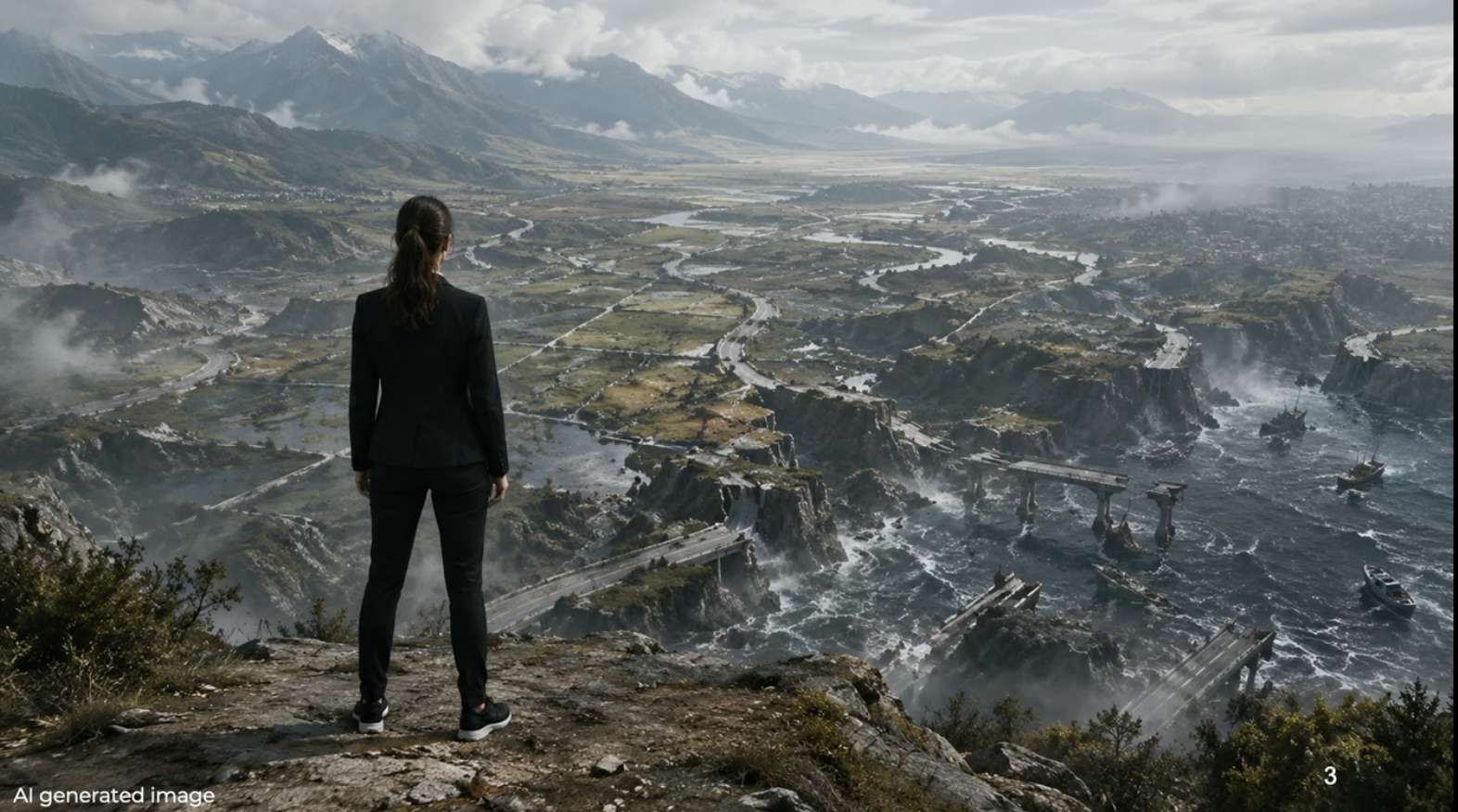
But as we reflect on the world around us, what we see might be more like the picture below. Not only are we dealing with new technological issues like AI slop, hallucinations, and sycophancy, but our world is also dealing with climate change and geopolitical conflict.

Given this backdrop, you might be asking yourself questions like:
How can I keep up?
What should I learn?
What does “good” even mean in this world?
Are my skills still relevant or will I lose my job?
What does this mean for me, my teams, and the world?
While these questions are certainly valid, they tap into the anxiety and unease many of us are feeling. Simonetta suggested that we could benefit from putting a more positive spin by asking questions like the following:
What do I notice from where I stand?
What new opportunities are there?
What can we learn from each other?
How might I intentionally build trust?
Shifts and opportunities: What change makes possible
Next, Simonetta walked us through three major shifts we’re experiencing with product work. But she did more than point out what’s different. She also outlined how we might see each shift as an opportunity. Here’s a quick overview:
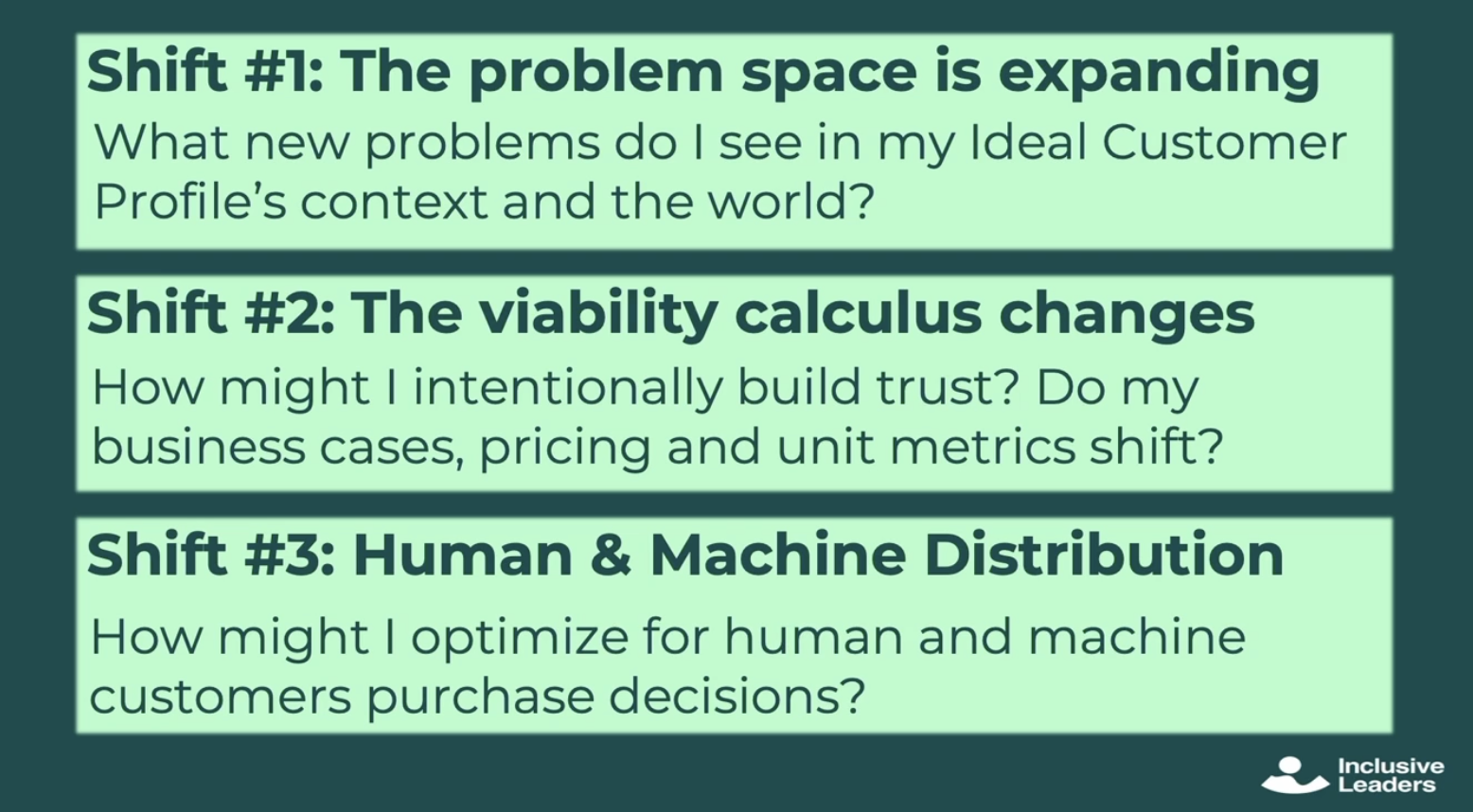
The shift: The problem space is expanding
The opportunity: There are lots and lots of problems to solve
Yes, there are new issues that impact nearly every aspect of product: slop, hallucinations, and a lack of trust, to name a few.
But, on the plus side, the proliferation of big problems means there’s a lot of potential to address these problems through the products we’re building. As Simonetta put it, “When there are people with progress desire, they are paying our bills.”
The shift: The viability calculus is being rewritten
The opportunities: trust as the new moat, pricing models, business cases
Simonetta took us through a hypothetical example of a woman speaking into her phone, telling an agent, “I want to buy a T-shirt.” This scenario represents new ways of engaging with a purchase experience. And it raises questions such as: How do we deal with machine buyers? How do we build accountability, explicability, fairness, and safety while the whole product development lifecycle is morphing and changing?
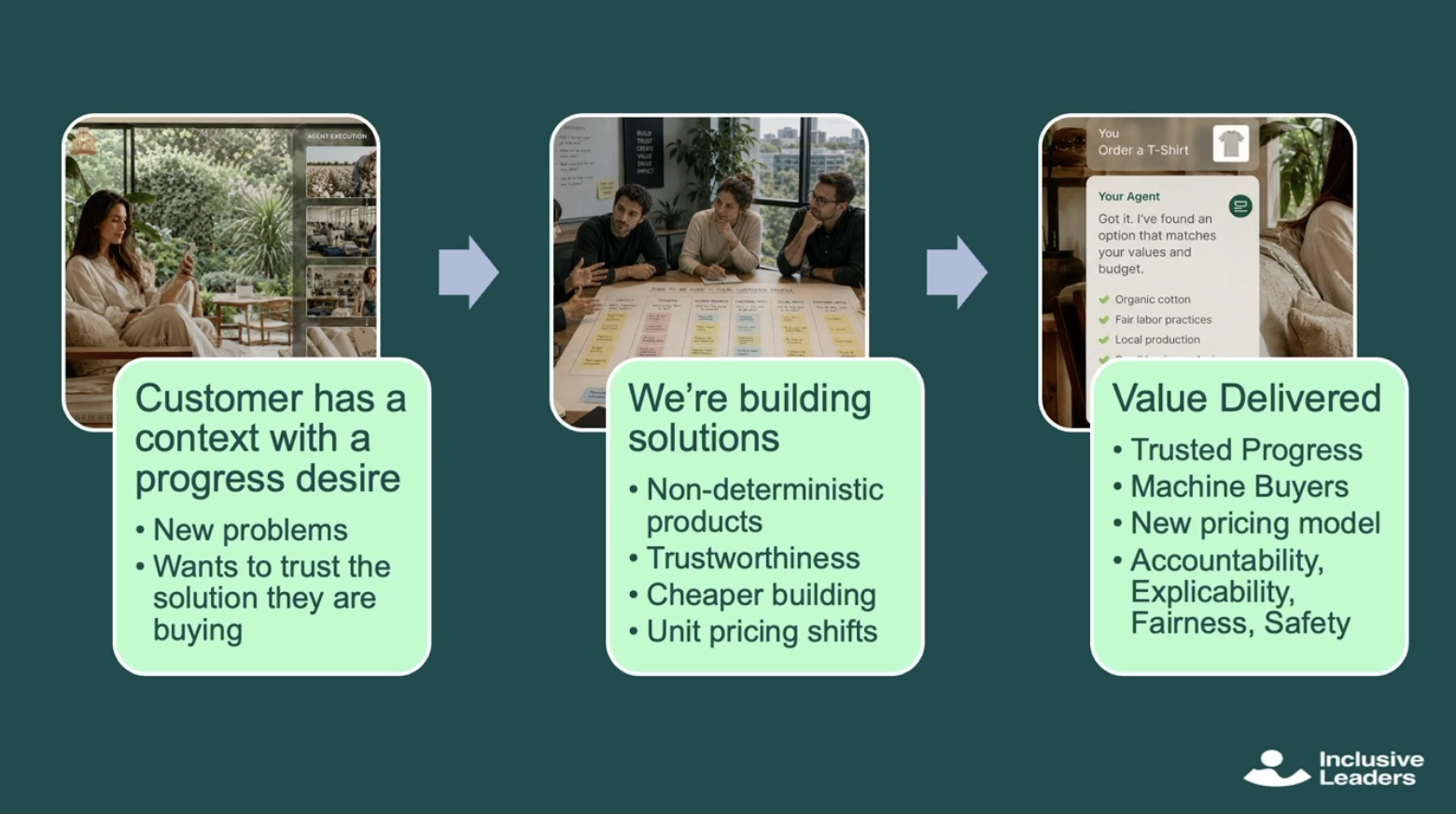
Simonetta called out trust, pricing models, and business cases as the potential opportunities that accompany this shift.
The shift: Purchase decisions are made by human AND machine actors
The opportunity: New distribution channels to play with
“We used to deliver value to humans by having them hire our product to achieve the progress they wanted to see in the world,” said Simonetta. So what changes if part of this journey of discovering the right solution is aided by an agent?
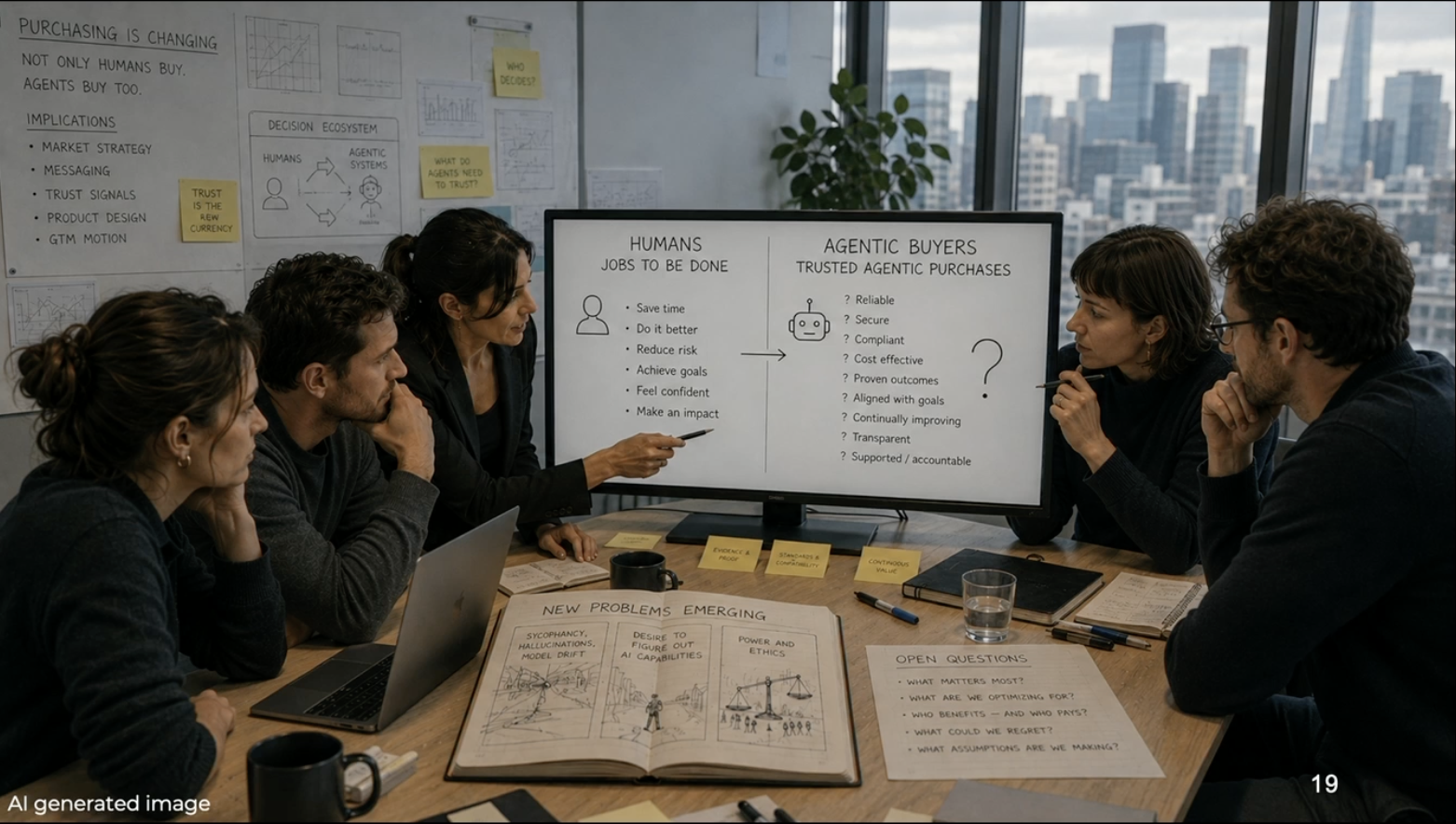
According to Simonetta, this creates the opportunity of giving us new distribution channels to play with. And delivery of progress to customers—even if they’re aided by agents—is something we as product people can work on and get right.
Changing our lenses to align with this new territory
When surveying unfamiliar territory, we might wish for the comfort of a map. But Simonetta reminded us that as product people, “We don’t need the perfect map. We need to remember we’re the mapmakers.”
As product people, curiosity is our superpower, and we can bring that mindset to our work today—along with three lenses that Simonetta described.
Lens 1: What you choose to build
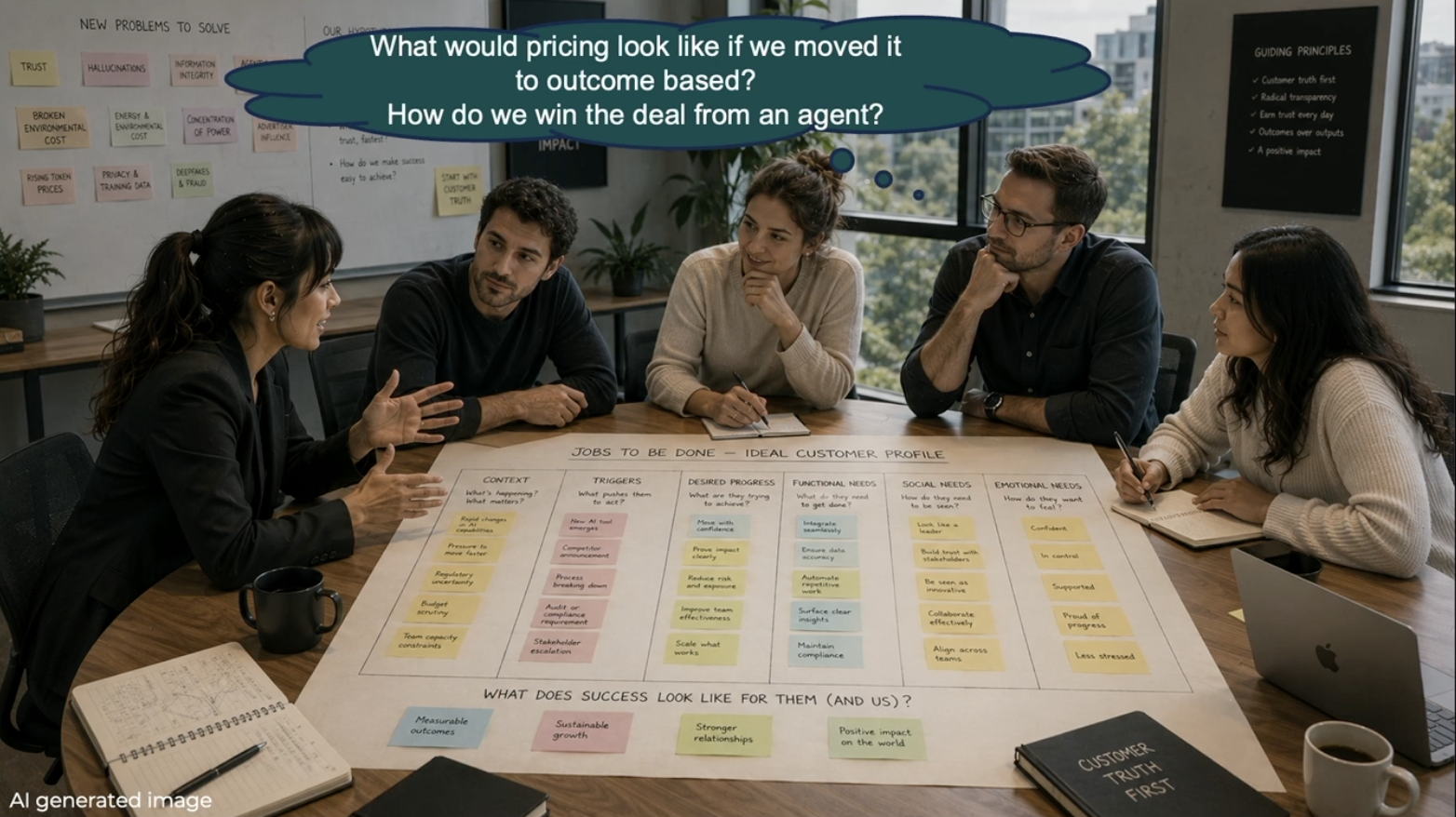
The best product people spend time observing their customers’ problems. And this skill still matters. Taking your observations of customers’ new problems along with traditional frameworks like jobs to be done, consider what you’re learning and what might need to be updated. “This can help you lean into curiosity and creativity instead of fear,” said Simonetta.
Lens 2: How you understand value
In this new landscape, it’s important to define what value means to both your customers and your organization. Simonetta called out things like moving to outcome-based pricing or winning deals from agents. The core questions to return to: What new progress do our customers actually want? Am I oriented toward value delivered, or toward familiar processes? What do I need to unlearn?
Lens 3: Trust & accountability
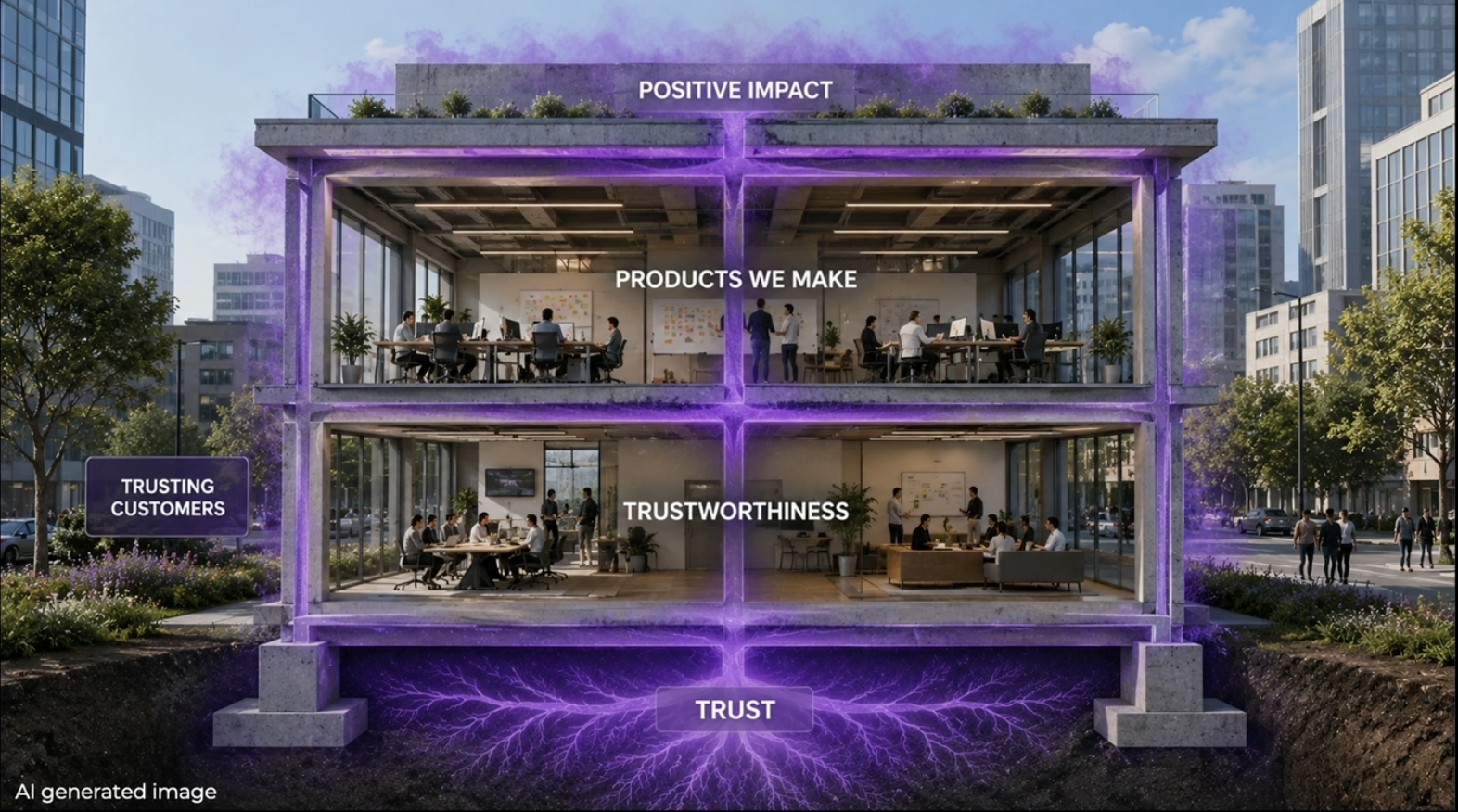
Simonetta explained that trust should be the foundation of everything we build. If we don’t get that part right, we don’t stand much chance of creating the positive impact we seek to make. So even as you explore how agents might aid or augment your processes, you don’t want to lose sight of creating a product that people believe is trustworthy.
Start your own mapmaking journey
To start your own mapmaking journey, Simonetta invited us to take the following steps:
Observe the changes and lean into curiosity.
Look at the shifts (the problem space is expanding, the viability calculus changes, human and machine distribution is now the norm).
Consider which of these questions most resonate with you—and then find others who’d like to accompany you on this journey. (Hint: Discussing these topics with your fellow Product at Heart attendees is a great place to start!)
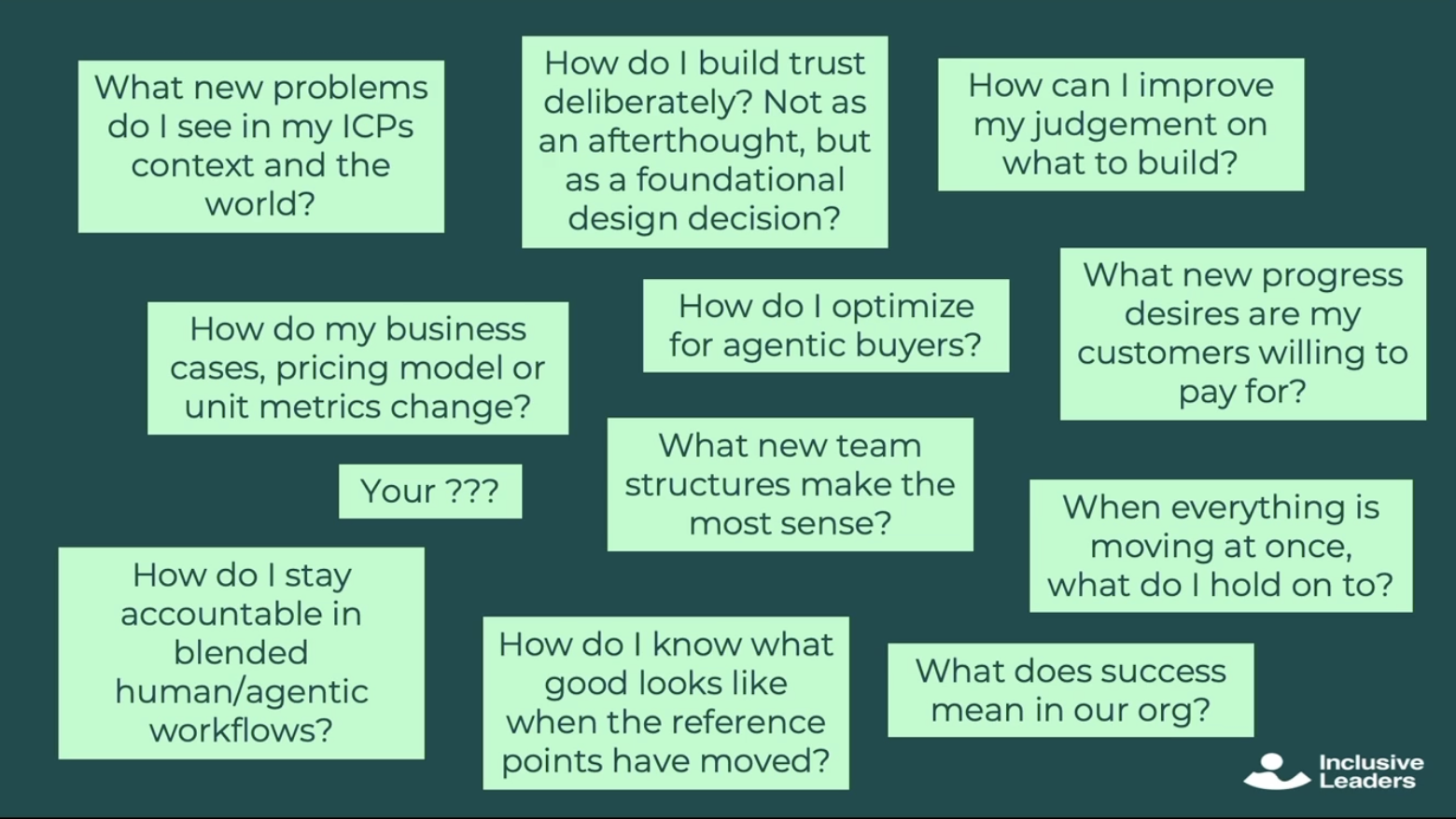
Finally, remember that we don’t need to have the perfect map. As product people, we’re already skilled mapmakers. Let’s take those skills we already have to find the joy and fun in building products, even in this new landscape.